




Bur Dubai: Complete Guide to History, Attractions, Shopping and Transport

Bur Dubai is an historic region to the west of Dubai Creek. Famous for the abundance in its history, traditional markets, historical buildings, and local restaurants. The famous Al Fahidi Historical Neighbourhood and Meena Bazaar are found here. Visitors are also able to take a ride on the old “abra” to Deira across Dubai Creek. The region is well connected with metro, bus, and taxi services. Close to many cultural attractions and Old Dubai landmarks. This historic area is a great place for visitors to experience Dubai’s history and culture without the hassle of navigating the city.
Quick Facts About Bur Dubai
| Fact | Details |
| Location | Western side of Dubai Creek |
| Character | Historic, residential, commercial and cultural |
| Main historic area | Al Fahidi Historical Neighbourhood |
| Major transport | Dubai Metro, buses and traditional abras |
| Key metro stations | Al Fahidi, Sharaf DG, BurJuman and Al Ghubaiba |
| Nearby area | Deira, Al Seef, Al Shindagha and Zabeel |
| Famous shopping area | Meena Bazaar |
| Main attractions | Al Fahidi Historical Neighbourhood, Dubai Creek, museums and heritage sites |
| Best experience | Walking through the historic quarter and crossing the Creek by abra |
What Is Bur Dubai Known For?
The region is most renowned for its association with Old Dubai, especially the historic neighbourhoods that grew around Dubai Creek. The Creek is still an important geographical landmark and is still used for traditional sea transport and has divided Bur Dubai from Deira. According to the Roads and Transport Authority, Dubai Creek is a 14km watercourse that splits the two historic districts of the city.
The most prominent feature is the blend of history and urban life. One could indulge in tours in the Al Fahidi Historical Neighbourhood, visit cultural institutions, shop in traditional stores, and proceed to Deira by abra and dine at the old restaurants.
The district is also home to Meena Bazaar, Visit Dubai’s own “little India.” Indian clothing, jewellery and fabrics, restaurants and small retailers are specialties of the market area.
This makes the neighbourhood really interesting for travelers who desire more than regular sightseeing. It is a site where old architecture, old multicultural commerce, and contemporary urban life converge and are relatively limited in space.
Location of Bur Dubai
Old Dubai is on the opposite side of Dubai Creek, across from Deira. It is an integral part of the historic part of the city, with Al Fazlidi Historical Neighbourhood, Al Ghubaiba, Meena Bazaar and Al Shindagha being some of its popular areas. The area is located near Dubai Creek, which has been a significant part of Dubai’s trade and development.
Old Dubai is a large district, and as such, there is no single street address within that area. It has several main attractions and neighbourhoods throughout several streets of the Creek. Al Fahidi and Al Ghubaiba are convenient landmarks for people looking for the area.
How to Reach
It is easy to get to Bur Dubai by Dubai Metro, bus, taxi, car or abra. This will depend on the area you wish to visit in the district.
By Dubai Metro
The Green Line is the best metro line to use for historic sections of the area. Al Ghubaiba, Sharaf DG and BurJuman are among the Green Line stations that are listed in RTA’s metro map. BurJuman also links to the Red Line, which is beneficial for passengers from Downtown Dubai and Dubai Marina.
The Al Ghubaiba and Sharaf DG are great places to start from for Al Fahidi Historical Neighbourhood. The stations can then be walked to other local heritage and attraction sites.
By Bus
RTA Dubai has a bus network that connects different areas of Dubai. Al Ghubaiba Bus Station is a significant transport hub that is located close to the historic district. There are also a number of bus services that run near BurJuman, Sharaf DG and Al Ghubaiba.
By Taxi or Car
For people who need to transport bags or suitcases, children, or other items, a taxi is the best option. Major roads also provide access to the area, such as Sheikh Zayed Road, Al Khail Road, and Oud Metha Road. Travel time is dependent on traffic and originating point.
By Abra
For those from Deira, a traditional abra is an easy way to cross Dubai Creek. RTA’s marine transport service runs between the two historic banks of the Creek. This option is helpful if you are travelling to the Gold Souk, the Spice Souk, and Deira and Al Fahidi in one go.
History and Heritage
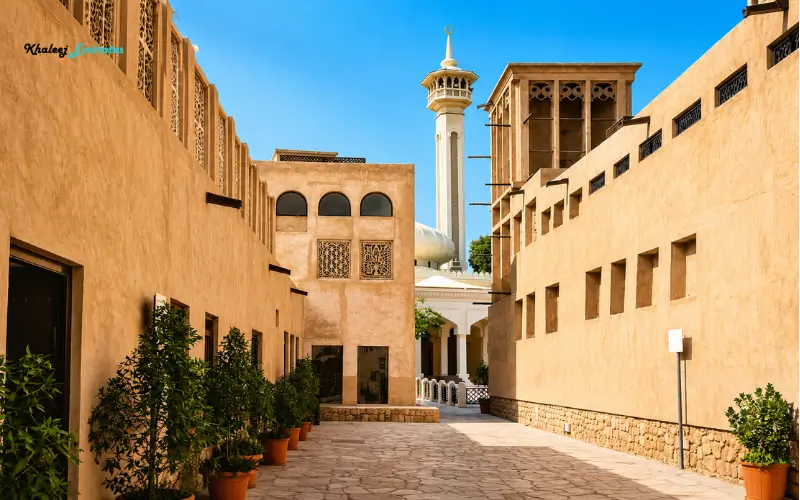
Dubai and its Creek are closely linked to each other. The city was once famous for its fishing, trade, transportation, and settlement activities before the city’s modern skyline came into being.
In 1959, Dubai Creek was dredged, marking a significant event in the city’s history and development.
The historic character is more pronounced in the surroundings of Al Fahidi Historical Neighbourhood, where traditional buildings, wind towers and narrow lanes convey the architectural style of earlier Dubai. Dubai’s 2026 city guide says it’s best to explore this neighbourhood on foot, noting its traditional wind towers, winding alleyways, museums, galleries and cafes.
One of the values of the heritage area is to give the context to understand how Dubai developed before its contemporary growth. The neighbourhood doesn’t just showcase historic objects, but offers visitors a chance to feel the scale and the architectural character of an older urban neighbourhood.
Al Fahidi Historical Neighbourhood
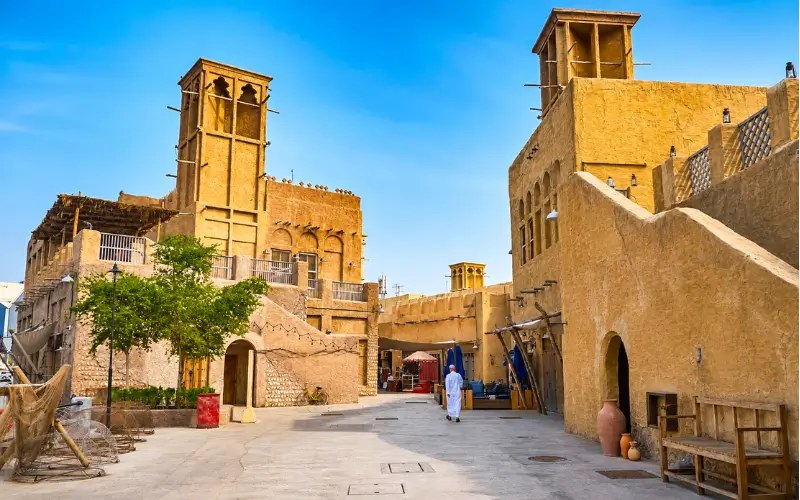
It is highly recommended that Al Fahidi Historical Neighbourhood be included in most first-time itineraries.
Walking will be the best way to experience this area, which has restored traditional buildings and small cultural spaces. Many buildings were built in the late 19th century, and now house museums, galleries and cafés, Visit Dubai reports.
The narrow lanes are also a good way of learning traditional architecture. Wind-towers, for instance, were made to enhance ventilation prior to the popularity of air-conditioning.
The visit is best seen as a walk through the attractions, rather than a list of attractions. Give time for the lanes, courtyards and cultural venues to be explored rather than simply being there for a picture and then walking away.
Dubai Culture also offers guided tours for heritage sites and neighbourhoods such as Al Fahidi Historical Neighbourhood. According to its published service information, it can be visited as a guided tour, which can be booked through Dubai Culture, upon availability.
Best Things to Do in Bur Dubai
There is plenty to do to fill several hours; a visit can include heritage, food, shopping and the Creek.
Walk Through Al Fahidi
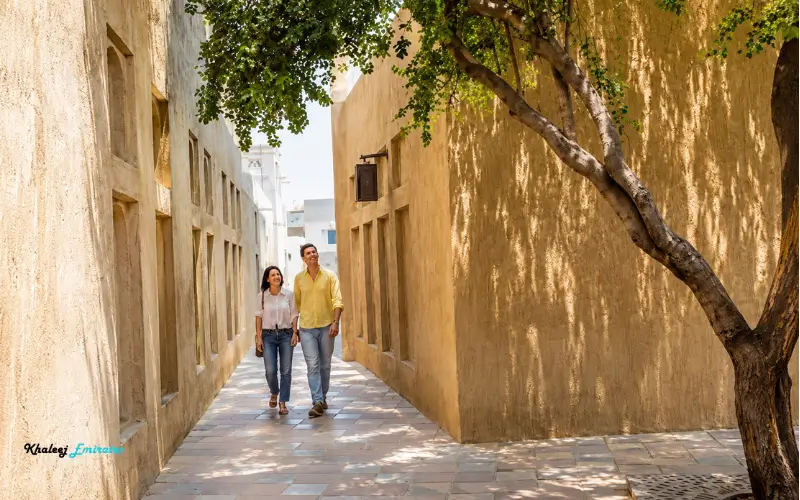
Visit in the morning or late afternoon at Al Fahidi Historical Neighbourhood. It is built along narrow lanes that give a close-up view of traditional Dubai architecture. There are wind towers, courtyards, heritage houses, galleries, and cafes to view during the walk. It’s easy to explore on foot and is best done at a leisurely pace.
Take a Traditional Abra Across Dubai Creek
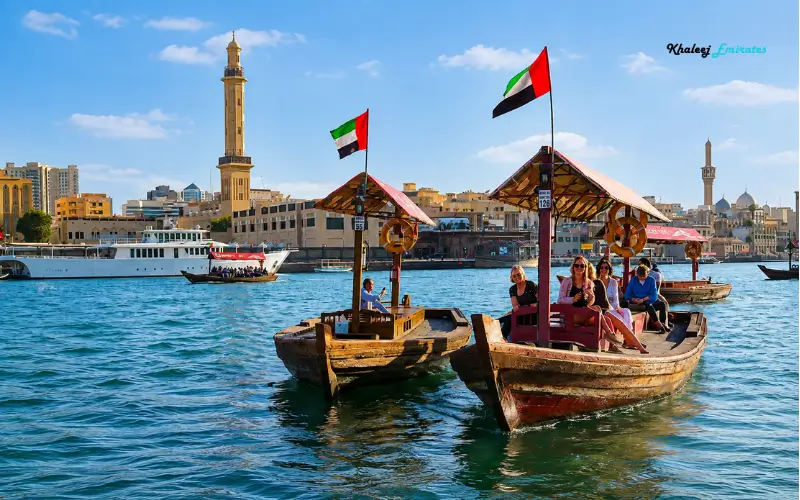
A traditional abra is a simple way to cross Dubai Creek between the two sides. RTA is running a regular motorised service from Bur Dubai Abra Station to Deira Old Souq Abra Station. The fare published for cash is AED 1 per trip. The ride also serves as an essential component of the city’s marine transportation network.
Explore Meena Bazaar
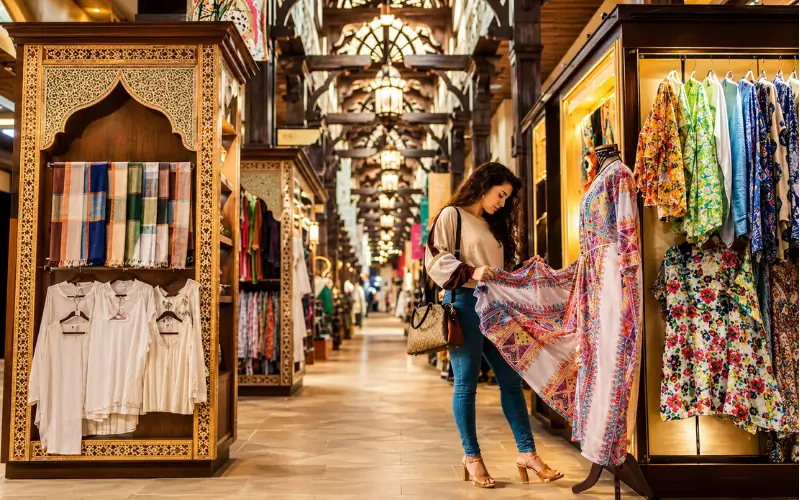
Meena Bazaar is a popular shopping area, especially for South Asians. It is a retail outlet that offers clothing, textiles, jewellery, perfumes, food, and other items. It is an ideal place for those who want more authentic stores and markets than the large shopping malls. It’s also packed with a number of restaurants and small enterprises.
Explore Dubai Creek and the Waterfront
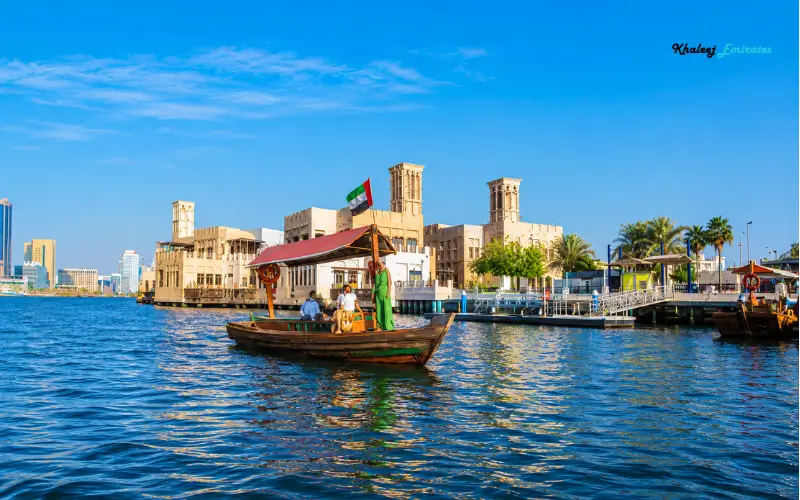
Dubai Creek is one of the most significant aspects of Dubai’s historical landscape. The visitor can watch the traditional boats, enjoy waterfront views, and cross the Creek to Deira. In the vicinity, Al Seef has restaurants, shops, and pedestrian zones. They are all areas that can be easily combined in one walking route.
Visit Al Shindagha Museum
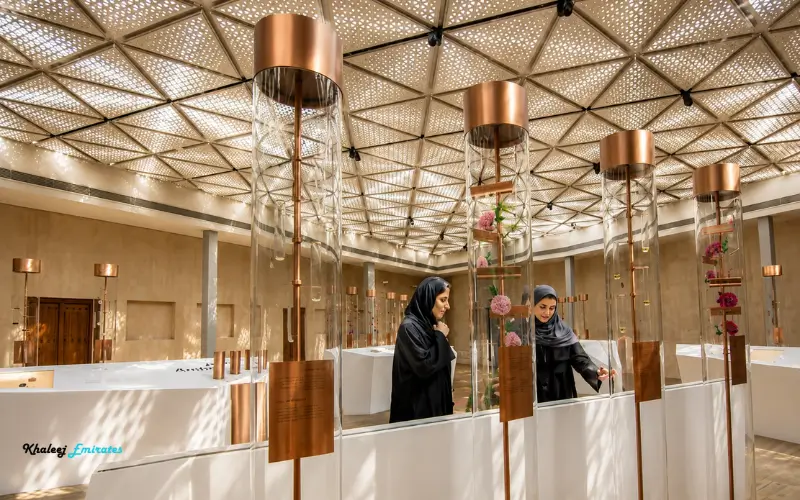
An equally notable landmark on the Dubai Creek is Al Shindagha Museum. It provides visitors with an opportunity to learn more about Dubai’s history, heritage, and traditions through historic homes and exhibitions. The museum complex consists of the former residence of Sheikh Saeed Al Maktoum and a number of heritage buildings. The site includes several houses and exhibits and will require visitors to give it sufficient time if they want to explore the complex properly.
Shopping in Bur Dubai
One of the best reasons to spend time in the neighbourhood is to go shopping.
It is unlike Dubai’s big shopping malls. Rather than focusing on international luxury brands, it has textiles, traditional clothes, jewellery, perfumes, souvenirs, and Indian fashion and everyday items.
Most of the shopping area, which is recognised as Meena Bazaar, has a lot of independent shops and restaurants in the surrounding streets.
Variety is the number one benefit to travelers. It is possible to shop for food and sightseeing without having to head between several modern malls!
If you are considering purchasing jewellery or other items of value, shop around between reputable vendors instead of choosing a shop for its reputation in the well-known market.
Food and Restaurants
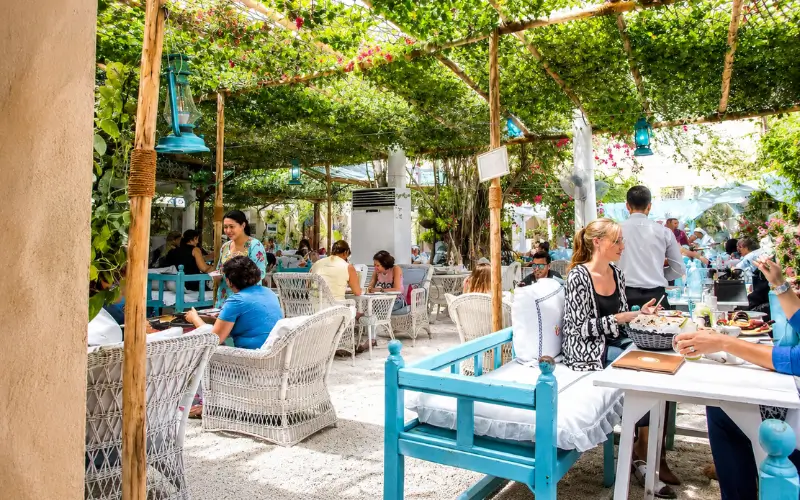
A major highlight of Bur Dubai is its culinary diversity, which is a world full of delicious treats.
It is especially well-served by South Asian restaurants, in addition to Arabic, Iranian, and other foreign fare. For those who want to try out some casual dining and traditional food, Meena Bazaar and surrounding streets are convenient places to head towards.
The food experience ranges from low-budget restaurants to upscale dining establishments close to the Creek. This makes it an appropriate place for visitors to find good food without having to settle for breakfast at the hotel restaurant or dinner in a fancy restaurant.
Evenings can be more convenient for a first visit to Dubai than evenings spent on sightseeing and food, because you can have a stroll through Al-Fahidi and the Creek after dinner, and still enjoy the food.
Hotels and Where to Stay
This area is frequently a sensible option for visitors seeking convenience in travel, historic sites, and a relatively central location.
There are budget and mid-range hotels as well as other properties around Dubai Creek. The prime benefit is connectivity; the Green Line is in the historic part of the city, and BurJuman will act as a connection between the Red and Green lines.
Residing in this place can be of the most benefit if you are going to visit Old Dubai, Deira, Dubai Creek, and the Dubai Central Business District.
But, for those who are more interested in beach vacations or resort-type vacations, another part of the city could be better suited for them.
Getting Around Bur Dubai
Amongst the greatest assets of the area is public transportation. Dubai Metro Green Line passes through Old Dubai, and basically follows the Creek. RTA’s stations are: Al Ghubaiba, Sharaf DG and BurJuman on the Green Line. The Green Line is also connected to the Red Line at BurJuman.
Main Transport Options
| Transport | Best for | Important information |
| Metro | Longer journeys across Dubai | Green Line serves the historic area; BurJuman connects to Red Line |
| Abra | Crossing Dubai Creek | Traditional crossing between Bur Dubai and Deira |
| Bus | Local connections | Useful for destinations away from metro stations |
| Taxi | Door-to-door travel | Convenient when carrying shopping or travelling with luggage |
| Walking | Al Fahidi and nearby heritage areas | Often the best way to experience the historic quarter |
The current RTA timetable includes Al Ghubaiba, Sharaf DG and BurJuman as Green Line stations which serve the area. It also outlines several abra routes that connect Al Fahidi with Old Dubai to Deira and other Creek locations.
The operating hours of the metro may differ from day to day, and can change on public holidays or special occasions, so please consult the latest RTA timetable before travelling.
Bur Dubai vs Deira
Often the two sides of Dubai Creek are visited together, but they have different identities.
Al Fahidi Historical Neighbourhood, Meena Bazaar, heritage sites, and traditional streets are the unique features of the Western side. An old commercial area of Deira is the historic gold market and spice market.
The simplest approach is to not think of them as separate day trips. Visit the western side, head to Al Fahidi and the Creek, cross over by abra, and onto Deira.
It also allows the traditional abra ride to be a part of the trip, instead of a tourist activity.
Bur Dubai and Dubai Frame
Dubai Frame is located just outside of this historic area but is still a part of an extended tour of Old Dubai.
It is situated in “Zabeel Park,” 150 metres high, offering views towards both older and newer sections of the city. Visit Dubai says it’s an experience in Dubai’s past, present and future.
The walking trails, sports areas, picnic spots and other recreational amenities found within Zabeel Park itself are great.
Dubai Frame is a good addition after visiting the historic part of Dubai in case of time limitation.
Is Bur Dubai Worth Visiting?
Yes, especially if you are interested in local food, public transport, culture and history, and traditional markets.
It isn’t in any one feature. It’s the density of experiences in a relatively accessible area in the city. No complicated itinerary is required to explore historic lanes, see a museum, go to a local restaurant, shop at Meena Bazaar, and cross Dubai Creek by abra.
It is also an interesting parallel to the image of modern Dubai. The skyscrapers are impressive, but the Creek-side neighbourhoods tell much more about the development of the city.
Those seeking beaches or luxurious hotels or modern nightlife might find other districts more suitable.
Best Time to Explore Bur Dubai
The best time to see the sights is during the warmer weather, when walking is more pleasant.
Late afternoon through evening is a wonderful time to visit the historic quarter, a time when visitors can explore the quarter by day and then continue to the Creek and nearby dining options.
In warmer seasons, arrange indoor museums and shopping to coincide with walks outside, rather than trying to do a lot of indoor and outdoor activities in the heat of the day.
Please remember that individual museums, shops, restaurants or heritage venues may be open at different times, so please check the hours before you travel to any of the attractions.
A Practical Half-Day Itinerary
The first visit is possible without being rushed off your feet.
Begin from Al Fahidi Historical Neighbourhood and wander around the lanes and historic structures. Head on towards the Creek and take the opportunity to explore the waterfront, then make your way into Meena Bazaar to shop and eat.
Then cross on an old abra over the Creek to Deira. From here, you can head off to any number of traditional markets or take the metro or abra back to the harbor, depending on your plans.
For extra time, visit Al Shindagha Museum and Dubai Frame. If you are more interested in history, the museum would be the better option; if you prefer panoramic city views and a modern architectural highlight, then Dubai Frame would be the better choice.
What Makes Bur Dubai Different From Modern Dubai?
The main difference is its traditional ambience and narrow streets. It does not have the modern buildings, markets, narrow lanes, or a more modern feel that is found in modern areas.
Today’s districts are planned around key roads, towers, shopping centres and big developments. The old part of the city is more pedestrian and has small shops, old buildings and direct access to the Creek.
That contrast is what makes the area one that is important. Old Dubai is also among the main neighbourhoods of Dubai when it comes to visiting the city, along with Downtown Dubai, Deira, Jumeirah and Dubai Marina.
If you are visiting Dubai for the first time, then having a glimpse of both sides of the city will give a complete idea of the place to visit.
Conclusion
Bur Dubai is an excellent area for discovering the historic and intercultural facet of Dubai. It consolidates everything that is Al Fahidi Historical Neighbourhood, Dubai Creek, Meena Bazaar, museums, restaurants, and convenient transportation, all in one place. Old streets, traditional markets, local food, and abra rides across the Creek to Deira are all available for visitors to enjoy. The region is also conveniently located near a few significant sites and public transportation. It is a great option for those who wish to experience old Dubai, get to know the local culture, and visit a different part of the city other than the modern skyscrapers.
Must Read: Jaddaf Waterfront: Where Luxury, Culture, and Creek Views Come Together
Al Wathba Salt Lake: Everything You Need to Know Before Visiting
Al Boom Tourist Village Dubai Complete Visitor Guide
Frequently Asked Questions
What is Bur Dubai famous for?
It is best known for its Al Fahidi Historical Neighbourhood, Dubai Creek, Meena Bazaar, historic sites, traditional abras, and its multicultural food scene.
Is Bur Dubai a good area for tourists?
Yes. For history and culture enthusiasts and traditional shopping and local cuisine lovers, it is a good place to visit. The city also has excellent metro and marine transport facilities, making it easy to explore the nearby areas.
Which metro station is best for the area?
The district is divided into four parts, and each part is served by a different metro station: Al Fahidi, Sharaf DG, Al Ghubaiba and BurJuman. BurJuman is convenient for connections, as it connects the Red and Green Metro Lines.
How much does the traditional abra cost?
When traveling by cash, RTA quotes the price of a traditional motorised abra crossing from one side of Dubai Creek at AED 1 per passenger for the trip. Read up on the latest RTA before travelling.
Can you walk around the area?
Yes. Al Fahidi Historical Neighbourhood, Dubai Creek and other historic areas are good to explore by walking. The narrow streets are very easy to walk on and enjoy at a leisurely speed.
Is Meena Bazaar in Bur Dubai?
Yes. Meena Bazaar is also a popular traditional shopping area. It’s famous for its clothing, textiles, jewellery, restaurants and South Asian shops.
Is Dubai Frame in Bur Dubai?
Dubai Frame is not in the historic core; it is in Zabeel Park. It is not far, however, to be added to an Old Dubai tour.
Is it possible to go to both Bur Dubai and Deira?
Yes. These two areas can be visited in one day. Walk around the historic streets, cross Dubai Creek and enter the traditional markets of Deira.
Is there any high cost in Bur Dubai?
Food, shopping and accommodation prices vary by location. There are some affordable restaurants and shops, as well as more expensive ones.
How long should you spend there?
Al Fahidi, Dubai Creek and Meena Bazaar can be visited in a half day. If you are interested in visiting museums and Al Shindagha, then a full day is better.
What is the best attraction in the area?
The best place to start for the first-time visitor is the Al Fahidi Historical Neighbourhood. It has traditional architecture, heritage buildings, galleries and cafes, in a walking environment.