




Why Gymnastics Is One of the Best Activities for Growing Children
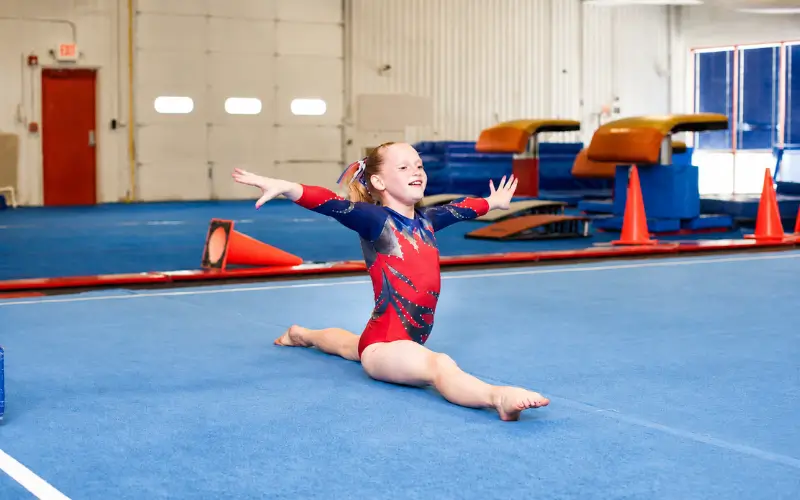
There is a surfeit of activities for parents to choose from that provide some form of physical activity and general development of their child. Although many sports can help a child stay fit, gymnastics provides a special package of physical, mental, and social advantages that can have a positive impact on a child’s development for years to follow. Whether it’s the strength and flexibility they develop or the focus and confidence they gain, the skills gymnastics imparts are far-reaching.
One of the greatest advantages of enrolling children in junior gymnastics classes is that they learn through movement in a fun and structured environment. New challenges are introduced in each session, which will help children develop balance, coordination, and body awareness skills while enjoying age-appropriate activities. Such early experiences help to build lifelong physical health.
Building Strength Through Natural Movement
Gymnastics is a whole-body sport. Children complete exercises using their own body weight to strengthen their arms, legs, core and back. As time goes on, they get stronger, without repetitive weights and/or heavy exercise.
Young gymnasts will develop endurance, posture and flexibility as they develop their basic skills of rolling, jumping, handstands and more. It is a balanced approach which helps to minimise risk of injury in sport and in everyday activities.
As children climb through the ranks, their progress in gymnastics also imparts a valuable lesson that with time and effort, they can improve in many areas of their life.
Improving Coordination and Balance
Children have the best window of opportunity to build motor skills and begin activities that engage coordination. Children must learn to balance their bodies in various positions and make careful movements in gymnastics.
The objectives of these exercises are to develop the brain and muscle connections so children respond more quickly and move more precisely. Coordination is also improved in other sports like soccer, swimming, basketball, tennis, and dance.
Many parents also report that their child becomes more confident at riding a bicycle and climbing stairs.
Supporting Cognitive Development
There is a strong relationship between physical activity and brain development. Through gymnastics, children are learning to remember sequences of movement, listen to instructions, strategise and complete movement challenges, and concentrate during each lesson.
Children concentrate and remember better, whilst learning new routines to think about how their bodies move. They also develop the ability to analyse errors, make changes, and to be proud of the little steps taken rather than wait for perfection right away.
These are problem-solving skills that can be helpful in school, where persistence and focus can be of benefit.
Building Confidence One Achievement at a Time
There are so many ways for children to have success with gymnastics. Every achievement fosters self-confidence, whether it be learnt as a forward roll, standing on their own, or just finishing a sequence.
In gymnastics, unlike sports, every child can develop at their own speed, not relying mainly on competition for success. Coaches recognise personal improvement and celebrate effort as well as natural ability.
As their confidence increases, children are increasingly more likely to engage in new activities, take part in school events and feel comfortable around others.
Learning Discipline and Responsibility
All gymnastics classes offer positive life skills in addition to exercise. Children listen attentively, take instructions, wait their turn, respect coaches and support teammates.
Commitment and responsibility are fostered through regular practice. Children realise that they need to keep on the go to achieve a higher standard of performance than from a spur-of-the-moment effort.
These are the habits that can have a positive impact on schoolwork, family life, and other future activities.
Encouraging Social Development
While gymnastics can be considered a sport for one individual, there is plenty of teamwork in training. Children motivate each other, share successes, and form friendships with other children whose interests lie in parallel.
Collaborating with others also helps with communication skills, empathy, and cooperation. Group activities are especially beneficial for younger children in teaching them to consider personal space, share equipment and collaborate on shared objectives.
These social experiences help children to become more comfortable in various settings and to build positive interpersonal skills.
A Healthy Habit for Life
The best thing about gymnastics is that kids will learn to have a good attitude toward exercise early in life. They start to see exercise as something pleasurable, enjoyable, rewarding, and productive for them.
This healthy attitude can carry over into one’s teen and adult years, making it easier to stay active for life.
Final Thoughts
Gymnastics is so much more than learning flips and amazing routines. Promotes physical fitness, mental strength, confidence, self-discipline, and social skills, which contribute to children’s development. Gymnastics offers a child a safe and rewarding space for growth, learning, and success, whether as a competitive athlete or just a fun way to keep active. Professional gymnastics training can now help prepare for a healthier, happier, and more confident life.
Must Read: Hatta Hill Park Guide: Opening Hours, Entry Fee & Top Attractions