






Why Do My Gums Bleed After a Dental Cleaning? What’s Normal and What’s Not
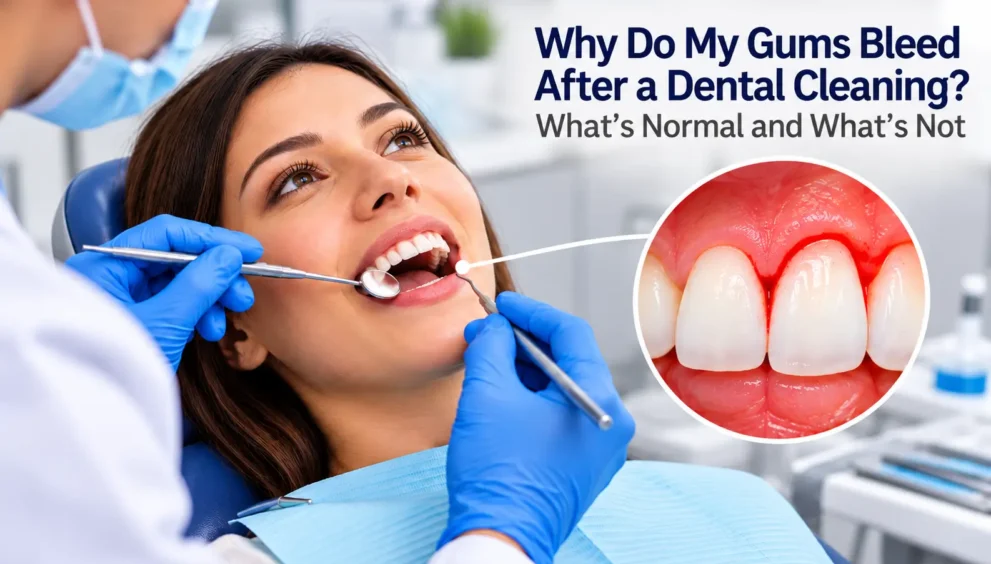
You brush your teeth the evening after a dental cleaning, spit into the sink, and see pink. Your teeth should now be cleaner and in better condition, so why are your gums bleeding? In most cases, a small amount of bleeding following a professional cleaning is a normal part of the healing process, particularly if it has been some time since you last saw the dentist. However, at times the bleeding may indicate that something needs to be examined more closely. The following article looks at the reasons why gums bleed after a dental cleaning, what normal recovery entails, which symptoms require you to contact your dentist, and how you can look after your gums in the days that come after.
Table of Contents
- Why Gums Bleed After a Cleaning
- What Normal Bleeding Looks Like
- Things That Can Make Bleeding More Noticeable
- Signs That Are Not Normal
- Caring for Your Gums in the First Few Days
- Why Bleeding Usually Eases With Regular Visits
- What to Tell Your Dentist Before a Cleaning
- Conclusion
- Contact Us
Why Gums Bleed After a Cleaning
Firm, pale pink gums usually do not bleed. In the case of gums that have been in close contact with plaque and tartar for months, it’s a different situation. The bacteria present in these deposits cause inflammation, leading to an increased blood supply to the area and as a result making the gum tissue soft and fragile. This initial stage of gum disease is known as gingivitis, and a great many people have it without knowing it.
While carrying out a cleaning, your dentist or dental hygienist removes tartar from the surface of the tooth, including the area that is situated just below the gumline. In order to get the instruments into the small gap between the gum and the tooth, they have to do so. Whenever the gum is already inflamed, even mild contact may result in some bleeding. That is the reason why there will be a small amount of blood on your brush after the teeth cleaning, even if it has been carried out gently.
After the tartar has been removed, the gums remain rather tender, somewhat similar to the skin beneath a piece of plaster which has just been pulled off, and it takes a few days to get used to this state.
In most instances, the bleeding is not the result of the cleaning; instead, the cleaning merely exposes the inflammation which was already present.
What Normal Bleeding Looks Like
After a routine scale and polish, these are all common and usually settle on their own:
- Light pink spotting when you brush, floss or spit, for one to three days
- Mild tenderness along the gumline, especially when eating
- Some sensitivity to cold drinks or air, since tartar was covering parts of the tooth
- Slightly puffy gums that gradually tighten
If it has been a year or more since you last had your teeth cleaned, you can expect a greater amount of all of the following; heavier tartar requires more work below the gumline and involves more inflamed tissue that needs to heal.
In the following week or so as the inflammation subsides, your gums usually become firmer and less red. Patients frequently find that they bleed less when brushing than they had before the cleaning. This is a positive indication that the healing process is progressing.
Things That Can Make Bleeding More Noticeable
People vary in the amount of bleeding they experience following a gum cleaning, and typical causes include:
- There is a long time between cleanings, and the greater the build-up, the more inflammation there usually is.
- If you have root planing carried out on your gum pockets, bleeding and tenderness will last a few days longer than after a regular clean.
- Deep cleaning of the teeth below the gumline is generally only recommended in cases where gum pockets have developed, and the dentist will tell you the reason for the procedure before carrying it out.
- Medicines that thin the blood, such as aspirin, warfarin and a number of other drugs, reduce the ability of blood to clot. Supplements like fish oil or high-dose vitamin E might also have the same effect.
- Pregnancy causes hormone levels to change and this makes the gums more reactive to plaque.
- Diabetes causes the gums to become more inflamed and to heal more slowly when blood sugar levels are not well controlled.
- Smoking and using shisha reduce the blood supply to the gums and this can cause bleeding to go unnoticed for many years. When a person gives up or reduces the amount they smoke, their gums may bleed more at first and this is often a sign that the tissue is recovering, not that it is getting worse.
That doesn’t mean you should omit a cleaning; it just helps your dentist to plan and agree on what to expect.
Signs That Are Not Normal
Contact your dentist if you notice any of the following:
- Bleeding that continues beyond about a week, or gets heavier instead of lighter
- Heavy bleeding that does not stop after 10 to 15 minutes of firm pressure with clean, damp gauze
- Swelling that keeps increasing, or a lump on the gum
- Pus, a foul taste, or pain that throbs rather than fades
- Fever or feeling generally unwell after the visit
- Gums that bleed on their own, without brushing or eating
You should tell your doctor about bleeding gums together with easy bruising, frequent nosebleeds, or unusual tiredness. It does happen that people first notice gum bleeding when an underlying general health problem affects the body’s ability to clot. While this is rare, it is better to have it checked than to just guess.
Caring for Your Gums in the First Few Days
Keep brushing because it is tempting to skip the area which is bleeding, but if you leave the plaque there the inflammation will come back. Brush with a brush that has soft bristles and make small, gentle circular movements along the gumline.
Be careful when flossing. Gently slide the floss between the teeth and bend it around each tooth. Do not snap it down onto the gum.
Rinse using warm water mixed with salt. To soothe sensitive gums, dissolve half a teaspoon of salt in a glass of warm water and gently swish it around a few times a day.
Eat lightly. For one or two days, avoid very hot drinks, foods that are heavily spiced and crunchy snacks such as chips or nuts since these can irritate the gumline. It is better to have lukewarm and softer meals.
Avoid smoking and shisha for at least a day or two, and longer if you can, to give the tissue a better chance to heal.
Manage discomfort sensibly. If you need pain relief, ask your dentist or pharmacist which option suits you, particularly if you take other medicines or have been told to avoid certain painkillers..
Why Bleeding Usually Eases With Regular Visits
The amount of bleeding during the first cleaning after a long period is usually the greatest that the patient will have to endure. After the gums have healed and you have kept plaque under control at home, there will be considerably less inflammation for the next cleaning to cause.
It forms a cycle that benefits you since routine cleanings help to keep inflammation at a low level and better gums in turn make the cleanings more comfortable. Your dentist will propose a cleaning schedule based on the condition of your gums. Because the teeth cleaning price will depend on whether or not a routine scale and polish is needed or whether treatment below the gumline is required, it’s a good idea to ask about this when you book an appointment.
What to Tell Your Dentist Before a Cleaning
At the beginning of your appointment, having a brief talk allows your dental team to plan your treatment. Make sure to mention:
- Any medicines you take, including blood thinners, supplements and herbal products
- Health conditions such as diabetes, heart problems or bleeding disorders
- Pregnancy, or if you might be pregnant
- Any past experience of heavy bleeding after dental treatment or minor cuts
- Whether your gums already bleed when you brush
Do not discontinue any medication that has been prescribed for you before a cleaning unless your doctor instructs you to do so. When it comes to routine cleanings, the majority of people who are on blood thinners can carry on as they normally would, but your dentist and doctor will be able to give you advice regarding your particular case.
Conclusion
It is usual to see a small amount of blood after a dental cleaning since it is a normal part of the healing process; the bleeding usually shows that there was already some gum inflammation and it generally stops within a few days as the gums heal. You should continue to brush gently, clean between your teeth, rinse your mouth with warm salt water and allow your gums to recover. If the bleeding goes on for more than a week, gets worse, or is accompanied by swelling, pus or a fever,则 you should contact your dentist. Most people discover that they bleed from their gums less and less over time if they have regular cleanings and carry out consistent at-home care.
Contact Us
Our JLT clinic is easy to reach if you want your case to be assessed in person. Once your gums have been examined, our team will be able to explain the price for the teeth cleaning.
Magnum Dental Clinic – JLT
The address is Shop No. 2, Indigo Tower, Cluster D, Al Thanyah Fifth, Jumeirah Lakes Towers, Dubai, United Arab Emirates.
Phone: +971 54 452 2332
Read Also: Mina Rashid Screening Center