





Everything You Should Know Before Buying a Home Lift System
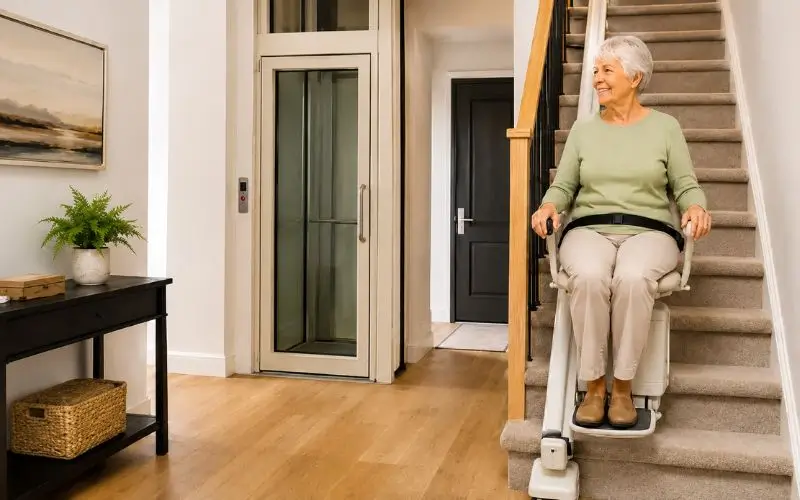
Stairs can be a daily problem for many people, slowly becoming more of a problem over time. At some stage, whether it’s due to age, injury or a chronic condition, it becomes a very real concern to think about how to get from floor to floor safely.
One of the first products that people typically look up when they start to consider home lift systems is a stair lift. For good reason, it’s a popular choice, but it’s far from the only option available to homeowners today who are looking at their options.
It’s worth knowing what options are available, what works for your situation and what questions you should be asking all home lift system suppliers you contact when considering your purchase.
Why the Right Home Lift System Matters More Than You Think
When purchasing a home lift system, many choose the wrong one because they simply didn’t take the time to do their due diligence. It pays to understand the whole situation before you invest either your money or your health.
Safety Must Always Come First
A sub-optimal home lift system can pose new risks, not lessen those risks. Equipment that cannot be easily operated, poorly maintained or not suited to the user’s mobility is counterproductive and harmful.
When shopping around, remember to compare the product’s safety features. Check for systems that have a good braking system, easy controls and emergency stops. When the equipment is in use every day, these details are more important than anything else in terms of appearance and price.
Think Long Term, Not Just Right Now
Many buyers only think about their present needs and do not take into account their needs in the next couple of years. Mobility may fall short or get even worse in the future, and a good system today may not be good enough then.
Select a system that has a little bit of flexibility in it. These factors can make a home lift system more versatile as needs change over time, such as the ability to add accessories later, or adjustable seating/weight capacity.
Getting to Know the Different Types of Home Lift Systems
There are a variety of different types of home lift systems available, and each type is designed for a specific type of user and property. Understanding their distinctions will assist you in making your search more concentrated on the items that are likely to be suitable for you.
Seated Rail Systems
Seated rail systems will move the seated user across a track that is installed on the stairway, but the user will sit the entire time. They are one of the most installed home lift solutions and can typically be installed on a straight staircase within one working day.
These systems are appropriate for people who are able to comfortably sit and stand. They are not suitable for individuals who have limited mobility to transfer from one place to another, since getting in and out of the seat at the top and bottom of the stairs requires some mobility.
Vertical Home Lift Systems
Vertical home lifts move vertically up and down the shaft or through an opening between the floors. They need to be installed more extensively, but they provide a much cleaner user experience for those continuing to use their wheelchair or mobility aids.
These systems are also a good long-term investment in properties that might have an increased accessibility need in the future. When properly installed, they can also enhance the property in addition to their day-to-day use.
How Your Home Layout Affects Your Options
Some systems may only be viable in a certain home, depending on the structure and layout of your home. There are some properties with simple conditions and others with architectural features that make it much more challenging and costly.
Straight Versus Curved Staircases
Straight stairs are easiest to work with and the least expensive. If you are looking to build a curved staircase, a spiral staircase or a split staircase, then you will have to get a special rail system to fit the stairs, and this will certainly add to the cost of your staircase.
If you have a curvy or bent staircase, ask for a home inspection before any estimate. A trustworthy supplier will always examine the staircase in person, rather than basing their estimate on a mere photo or rough description.
Space and Structural Requirements
Vertical lift systems will need alterations to the floor and ceiling of your property, which may not be suitable for every building. Floors, ceiling joists and surrounding walls must be evaluated by a qualified professional before installation.
Make sure that your supplier is clear on the difference between structural work and non-structural work and what is and isn’t covered in their quoted price. Buyers often get frustrated when they don’t ask this question early on in the purchase process because there are a lot of hidden costs involved in preparing the structure.
Choosing a Supplier You Can Actually Trust
Just as important as the product you’re buying is the supplier. A poorly-installed (and poorly-supported) system will lead to frustration. Don’t make any final decisions until you’ve checked out all suppliers.
Always Compare More Than One Quote
If you are interested in a basic seated chair lift or a platform stair lift that is specifically designed for wheelchair users, be sure to obtain at least three different quotes. The industry-wide range in pricing means you’re going to get a much better feel for what is a fair market price if you compare prices.
Notice the contents of each quote and what is not included. Any supplier you sign up with should have an aftercare, servicing and warranty schedule all on the table before you sign anything or pay a deposit.
Read Also: Gold Souk Abu Dhabi
Conclusion
The person who will use a home lift system will have many aspects of their daily life affected by the purchase of such a system. It’s the time spent doing the necessary research, involving the correct individuals and asking the right questions, that makes all the difference.
No one-size-fits-all product can be found to fit all houses or all people. The most important thing is that it is a system that is suitable for your property, meets your mobility requirements, and is backed by a proper after-sales service from a supplier.
Approach this process with patience, ask plenty of questions, and never feel pressured into a quick decision. The right home lift system will restore independence and bring genuine peace of mind to you and everyone around you.