




The Health Checks We Keep Postponing (and the Easy Way to Finally Do Them)
Ask anyone in Dubai when they last had a blood test and you’ll often hear the same answer: “Probably for my visa.”
It isn’t that we don’t care. It’s that health checks sit in the same mental drawer as renewing the car registration and sorting out the storage room. Important, but never urgent. Work deadlines win. School runs win. Weekend plans win. And “next month” quietly becomes next year.
The trouble is that many of the conditions worth catching early, such as prediabetes, thyroid problems, high cholesterol and silent infections, give no warning signs. By the time you feel something, the easy window has often passed.
Fortunately, the no.1 challenge – the time – is now gone. The following are common checks that people tend to postpone, and why they are important—the ways to complete them without missing a day at work.
Five checks worth doing this year
- Blood sugar (HbA1c). Diabetes is one of the most prevalent chronic diseases in the Gulf and in most cases type 2 diabetes can be present for many years without any symptoms. HbA1c reflects your blood sugar levels over the last 3 months. It requires no fasting and is one of the most convenient tests to perform in the morning.
- Vitamin D. It’s strange for a country with its amount of sunshine, but it happens a lot here. It’s a day of air-conditioned homes to air-conditioned cars to air-conditioned offices. Low levels have been associated with weak bones, muscle pain and low mood.
- Cholesterol (lipid profile). Too much sitting and too little exercise is a bad combination. Lipid profile includes LDL, HDL and triglycerides. They provide your doctor with a better picture of the risk of your heart.
- Thyroid (TSH). An underactive thyroid can manifest itself much like burnout: tiredness, weight gain, feeling cold, brain fog. Many people attribute their symptoms to their job when it would just be a blood test that would tell them why.
- A full blood count (CBC). The simple test may be used to detect anaemia, infection and various other conditions. It’s often the first indication that something is worth a closer look.
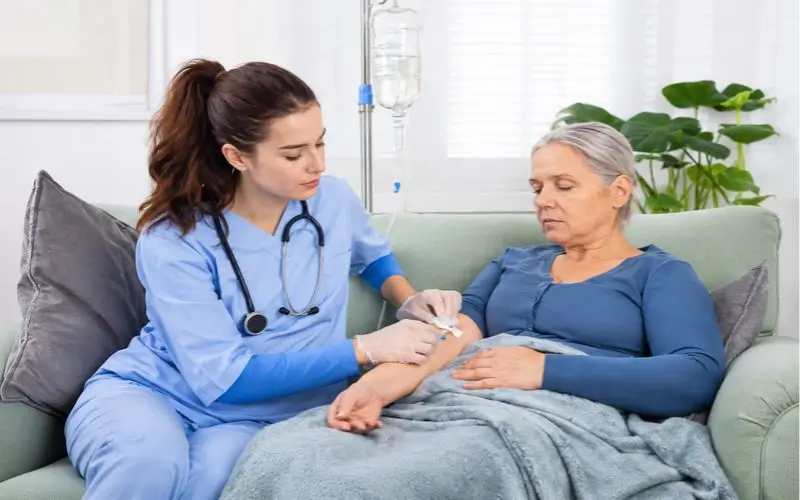
All five use a single blood draw. Instead of driving to a clinic, you can book a lab test at home and have a nurse collect the sample before your first meeting. The whole visit usually takes less time than making breakfast.
The check nobody likes to mention
One test is postponed more than all others and it’s not for time. It’s discomfort.
Getting a sexual health screening is still considered a taboo subject although it is responsible. It safeguards you, your plans and your partner, even your plans to have children. Diseases such as chlamydia can cause impaired fertility without any symptom, if left untreated for an extended period of time.
It is more of a maintenance check than a confession. The most appropriate times for testing are when:
- the beginning of a new relationship, preferably, both parties tested
- before getting pregnant
- Following any exposure without protection
- Once a year if there is frequent change in position
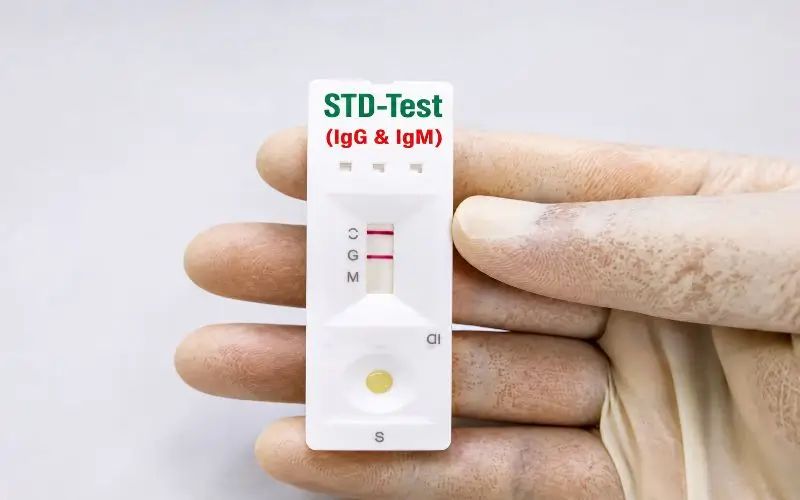
Privacy is the biggest worry, and it is also the easiest to solve. An STD test at home means no waiting room and no explaining yourself at reception. Most infections can be checked from a single urine sample or a quick blood draw, and results go straight to your phone.
Here’s one to be aware of: testing too early following an encounter can result in missing an infection. Bacterial infections are usually manifested 1 to 2 weeks after the onset of infection. HIV and syphilis blood tests take several weeks to return. Test now, test later – or check with your lab for the right timing.
Turn it into a habit, not a project
The people who are always healthy don’t depend on will power. These are using a system. The three little habits that matter:
- Use a date that you remember. Either your birthday or the first week of January or the month that your visa or insurance renews. The rest occurs through one recurring calendar reminder.
- Bundle your tests. A single blood test can test for sugar, cholesterol, thyroid, vitamins and a blood count. Many laboratories have packages that are less expensive than testing each individually.
- Make the appointment easy to attend. It is a lot more difficult to reschedule a home visit at 7 a.m. than a clinic visit across town at 4 p.m.
Here is a simple starting point. Your doctor may adjust it for your age, family history and any existing conditions.
| How often | What to check |
| Every year | CBC, HbA1c, lipid profile, vitamin D, TSH |
| Every year, or with a new partner | Sexual health screen |
| Every 3–6 months | Any condition you are already managing, such as diabetes or thyroid |
| When symptoms appear | Whatever your doctor recommends |
At Dubai clinics, like Genex Lab, you can get your whole list of sexual health tests done in a single appointment, as they provide routine packages and even private sexual health packages with home collection. Regardless of the provider you pick, be sure to look for one that is licensed by Dubai Health Authority, and has clearly stated pricing.
When the results land: don’t spiral
Having a report that is full of numbers with a few of them in red can be unsettling. It is important to note a couple of points prior to you beginning looking up your symptoms online:
- Reference ranges are means, not judgements. For example, a value just outside the range may not have any significance unless all the others are also normal.
- Context changes numbers. The results may change for a day or two due to various factors such as a rough gym class, lack of sleep, dehydration, or a heavy meal the day before.
- Trends beat snapshots. One result indicates where you are presently. Two or three years later will indicate direction and that is more useful.
- Place reports in a single location. Store all PDFs on your phone in one folder. Your doctor will be grateful and you’ll see the changes on time.
- Be sure to close the loop. Do not self-treat what is flagged – share with a doctor. Make a 10 minute consultation, rather than months of guesswork.
The same calmness should be followed for a positive sexual health result. Most common infections can be completely cured with a short period of treatment. The next step is to treat it and notify new partners and repeat testing as directed by your doctor.
Stop waiting for the “right time”
While there may be a quiet month, it will never be one in which the work calms down and the calendar clears. The best time to do an exam is the next convenient morning.
Make a choice of one date this week. Book the tests. Invite someone to you. You will be glad you did, when you’re the person who caught it early and not late!
This article is intended for information purposes only and cannot replace a professional health care advice.
Read Also: Mina Rashid Screening Center