




Haq Al Laila UAE Guide: History, Customs, and Children’s Celebrations
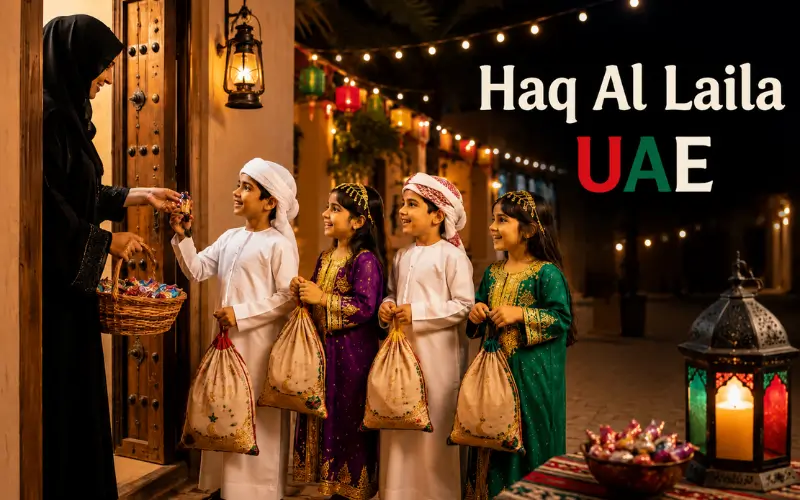
Haq al Laila is a special celebration that is conducted on the 15th night of Sha’ban before the beginning of Ramadan. One of the most popular traditions of the Gulf is this, particularly among kids. A family prepares sweets, chocolates, and small gifts for the occasion. Children are dressed in traditional clothing and go to their neighbors’ homes. They sing traditional songs and also pick up treats from the locals. The festival is a joyous occasion for families and a means of fostering unity among the people. It also instills values like being kind, generous, and sharing. It is still an integral part of the local cultural heritage today.
What Is Haq Al Laila?
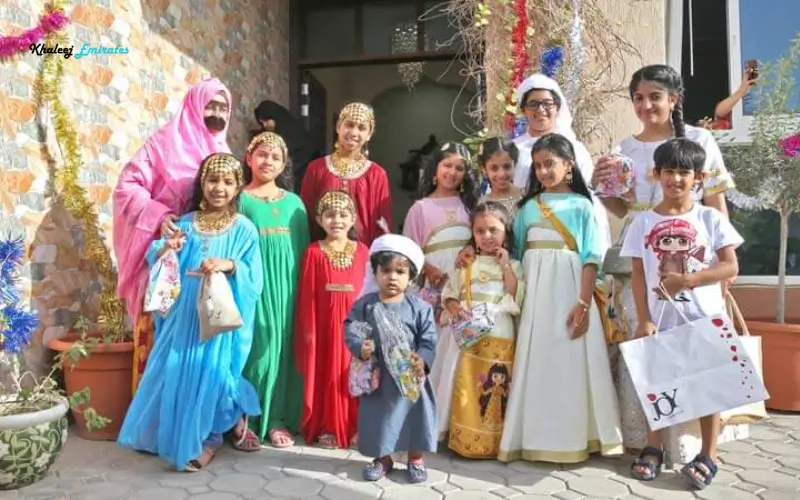
A lot of people would like to know the reason behind this celebration before Ramadan and its meaning. It is usually interpreted as “the right of the night” or “the due of the night”. It’s a special time when children go to homes and are given sweets, chocolates, nuts, and little gifts.
It is celebrated with lots of fun and with a good sense of community. Children love to wear traditional clothing, pick up sweets, and spend time with friends and family. These activities help to make happy memories and bring neighbors together.
It is a cultural tradition, rather than a religious festival. It fosters generosity and hospitality and better community relations. This tradition has been carried on through the ages and continues to be an important pre-Ramadan ritual in the Gulf countries.
The History Behind the Tradition
It is a tradition dating back hundreds of years in the Gulf that has been passed down among traditional Gulf communities. Previously, people lived in tight communities with good relations between people, which was a vital part of life. Families were likely to meet and share traditions that brought people together in the community.
These customs were handed down from generation to generation over the years. Families are teaching these traditions to their young members on a yearly basis, despite the changes in modern life. This heritage is also maintained at school and cultural events, as well as through educational activities.
Why Is Haq Al Laila Celebrated?
The celebration is a happy beginning to Ramadan. It is a way for families to start to prepare emotionally and socially for the Holy month and instills excitement for children. It’s a time that many parents take to teach their children values like gratitude, generosity, and respect for others.
The event also helps to rekindle warm relations with neighbours and relatives before the onset of the holy month of Ramadan. Communities foster unity and build a spirit of goodwill through mutual celebrations and deeds of kindness that extend beyond the boundaries of the holy month.
Key Purpose of the Celebration
| Aspect | Purpose |
| Community Bonding | Strengthens neighborhood relationships |
| Cultural Heritage | Preserves traditional customs |
| Children’s Participation | Introduces younger generations to local traditions |
| Pre-Ramadan Spirit | Encourages generosity and kindness |
| Family Gathering | Brings relatives together |
When Is It Celebrated?
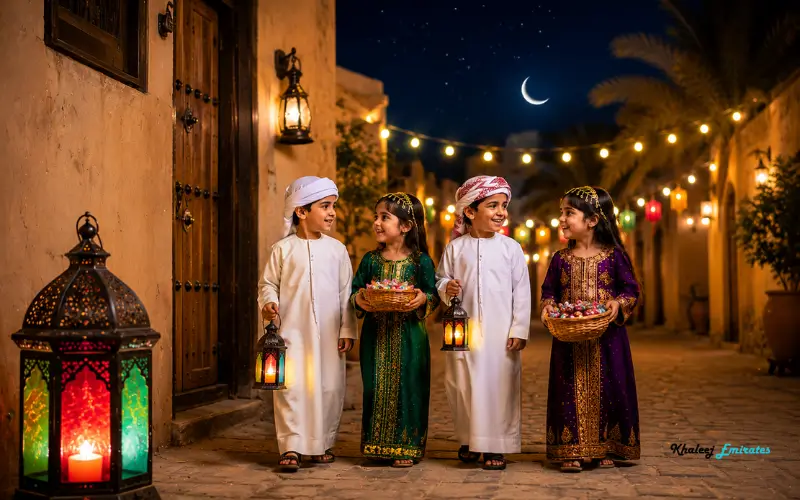
The event is celebrated on the night of the 15th of Sha’ban, which is about two weeks before the beginning of Ramadan. The Islamic calendar is lunar-based, which means that the date will vary from year to year.
This is important as it gives families time to plan for Ramadan without losing the community spirit of the celebration. It is one of the most significant traditions of the Ramadan preparations in the Gulf.
Traditional Clothing and Festive Appearance
A highlight of the event is the traditional children’s clothing. Families prepare special outfits that are representative of their own culture and provide excitement to the celebration.
The boys typically wear white kanduras or other traditional clothing, while the girls wear brightly embroidered jalabiyas with colorful patterns. The traditional accessories, jewelry, and head coverings add to the festive look, making the evening even more special.
Cultural Importance of Traditional Dress
Traditional clothing is more than just a costume for the holidays. It enables kids to connect with their past and familiarize themselves with the traditions that have been passed on from generation to generation.
Parents will sometimes describe the meaning behind these clothes and teach kids how to be proud of their culture. Thus, the celebration is both fun and educational.
How Children Celebrate
Children are at the centre of the excitement during the evening. Friends and siblings gather in groups carrying cloth bags (kharita) to decorate. They use these bags to collect sweets and treats when they go to homes around their neighborhoods.
Children are welcomed at each house as they go door to door by the residents who distribute chocolates, candies, nuts, and traditional snacks to the children. The experience is memorable, and one of the most looked-forward-to events of the year for many young participants.
Atoona Haq Al Laila and Traditional Songs
A traditional part of the celebration is the singing of chants that are well-known chants. Atoona Haq Al Laila is often used when children enter people’s homes and ask for something to eat.
These songs have been passed down and are still an integral part of the cultural heritage. The overall message is one of joy, sharing, and celebration, though there are different variations of lyrics depending on the community.
Children’s songs permeate neighbourhoods and evoke the festive atmosphere and the older generations of their childhood.
Popular Treats Shared During the Celebration
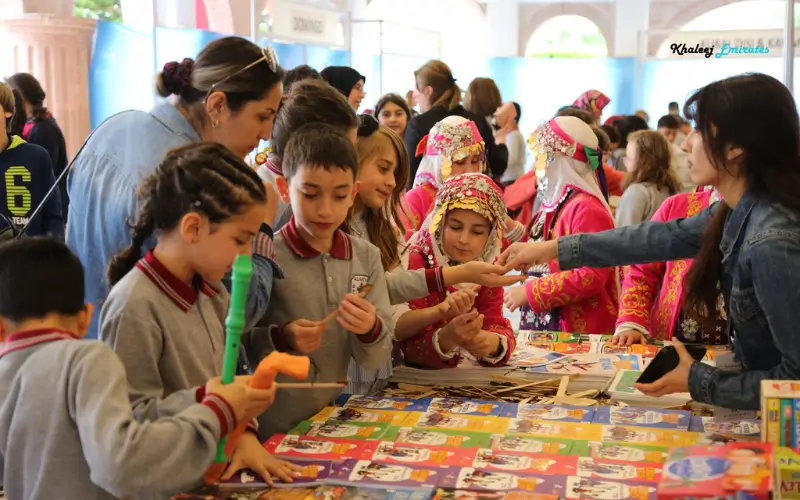
There would be no celebration without a wide range of sweets and snacks to be given to children. These snacks are typically made at home in the family and are ready to go for the kids to enjoy all evening long. The giving tradition is linked to the values of generosity and hospitality.
Children were not only given dates, nuts, dried fruits, but also some prepared sweets, which used to be made locally in earlier times. Modern chocolates, candies, and packaged treats are also frequently added today. Despite these changes, the spirit of sharing is still the same.
Common Treats Given to Children
- Chocolates and candies
- Mixed nuts
- Dried fruits and dates.
- Traditional sweets
- Snack mix: biscuits and packaged snacks
- Gifted items/Toys
Community Spirit and Social Values
A key component of the celebration is the way it creates a sense of community. Neighbours enter into the home, children meet residents, and neighbourhoods have a common culture.
These interactions help strengthen social bonds and create a sense of belonging. In today’s hurried, fast-paced world, such traditions offer good chances for personal and community interaction in a hands-on format.
The celebration is also an important lesson in gratitude for kids. Food from neighbors helps them to learn to value generosity and kindness in society.
How Families Prepare for the Occasion
Preparations can start days in advance of the event. It is the parents’ duty to buy sweets and arrange presents, and ensure that the traditional clothes are ready for the evening. These preparations engage children in their activities and add to their excitement and anticipation.
Many families also make decorative kharita bags and hold family meetings. Family get-togethers are common, and people begin to get in the festive spirit even before the holiday season starts.
Family Preparation Checklist
| Preparation Activity | Purpose |
| Buying sweets | Distribute treats to children |
| Preparing outfits | Celebrate in traditional style |
| Decorating bags | Enhance children’s experience |
| Visiting relatives | Strengthen family connections |
| Planning gatherings | Encourage community participation |
The Role of Families in Preserving Heritage
Cultural traditions are important, and the role of the family is critical in perpetuating them from one generation to the next. Children should learn about a custom through experience rather than reading about it.
Parents/grandparents have the opportunity to share their childhood memories of family celebrations. These remembrances help to make the tradition more meaningful to younger family members and give them a greater connection to their culture.
Consequently, the celebration is transformed into a continuous one. It turns into a viable connection to the past and present generations.
Modern Haq Al Laila Celebrations
This traditional event has been changing over the years while retaining its cultural meaning. Schools, cultural centers, shopping malls, and community organizations are now the venues for special activities, celebrating the day.
These can involve storytelling, traditional activities, heritage displays, children’s classes, and education. It assists in educating young people about local customs in an entertaining and educational manner.
In the modern era and with the aid of technology, people may have changed the way they communicate, but the celebration remains to ensure that the cultural values are preserved. It is a tradition that continues and is worthy of respect to generate a sense of community spirit, generosity, and togetherness both within and across generations.
Cultural Importance in the UAE
The celebration is still an integral part of the UAE cultural life today. Government institutions, educational institutions, and heritage organizations often host events and activities focusing on traditional customs and traditions and raising awareness among younger generations about them.
Such activities contribute to the maintenance of local identity and include the participation of people from diverse backgrounds. The event can also be a chance for the residents to understand the traditions and customs of the area and gain a better understanding of the history of the region.
These customs are important for the continuity of culture from one generation to the next.
Connection With Ramadan
This is one of the most significant of the traditions of preparation for the holy month of Ramadan, as it comes just before the beginning of the holy month. While not a part of the actual Ramadan itself, it fosters the spirit of generosity, introspection, and unity.
The celebration is also a time for families to talk about the importance of giving back, being kind, and supporting their communities. These values are more important in Ramadan and will help children to grasp the spirit of the holy month.
The event is thus a cultural celebration as well as a reminder of the values that the Ramadan period is calling for.
Why the Tradition Continues to Thrive
In the face of the growing pace of modernity throughout the Gulf region, the tradition continues to be very popular. Its continued success is partly due to its emphasis on the involvement of children, family, and community.
The celebration provides experiences that cannot be substituted with technology or digital entertainment. Interacting with neighbors, sharing food, and engaging in the traditions make memories that are important for years to come.
It can bring together heritage, education,n and enjoyment, which has contributed to its survival through several generations.
The Future of the Tradition
Cultural heritage is ever more important as communities continue to develop. It is maintained in the tradition through educational programs, community events, and participation of families.
Traditional festivities and contemporary educational programs are being used to pass on this celebration to the younger generations. The blend of custom and historical keeps the custom relevant and grounded in its origins.
This ongoing event means it will continue to be an integral part of the Gulf culture for a long time.
Conclusion
Haq al Laila is more than just a celebration filled with sweets and gifts. It is a culture that is a time for bringing families and communities together before Ramadan. Children love to wear traditional clothes, sing songs, and visit homes collecting treats. The practice of these customs has been retained over the years. The celebration conveys the values of kindness, generosity, and sharing with others. It helps to keep cultural identity and local heritage alive as well. This practice has been continued by families, and is still a symbol of unity, pride, and togetherness.
Must Read: Arab Culture Club – Preserving Heritage, Art & Community
Al Boom Tourist Village Dubai Complete Visitor Guide
Madinat Jumeirah Christmas Market Guide for Visitors in Dubai
FAQs
What is Haq Al Laila?
Haq Al Laila is a traditional celebration that is observed on the 15th night before the commencement of Ramadan. Children go to people’s houses, sing songs, and give sweets and gifts.
Why is it celebrated?
It encourages generosity, kindness, and a sense of community before Ramadan.
When is it celebrated?
The day is celebrated on the 15th night of Sha’ban each year.
What do children do during the celebration?
Kids are dressed in traditional clothing, have colorful bags, and pick up sweets from neighbors.
What is “Atoona Haq Al Laila”?
It is a traditional song sung by children when they go to visit homes.
What treats are usually given?
Chocolates, candies, nuts, dates, and traditional sweets are often shared around the family.
Why is this tradition important today?
It helps to save cultural heritage and educates kids about local culture and values.