




Digital Marketing Strategies for Fashion Brands in the UAE
The UAE fashion market is home to international retailers, independent designers, luxury labels and a growing number of up and coming local brands. With consumers discovering new collections via search engines, social media and online stores, it’s essential for fashion businesses to have a strong digital footprint if they are to reach their intended audience.
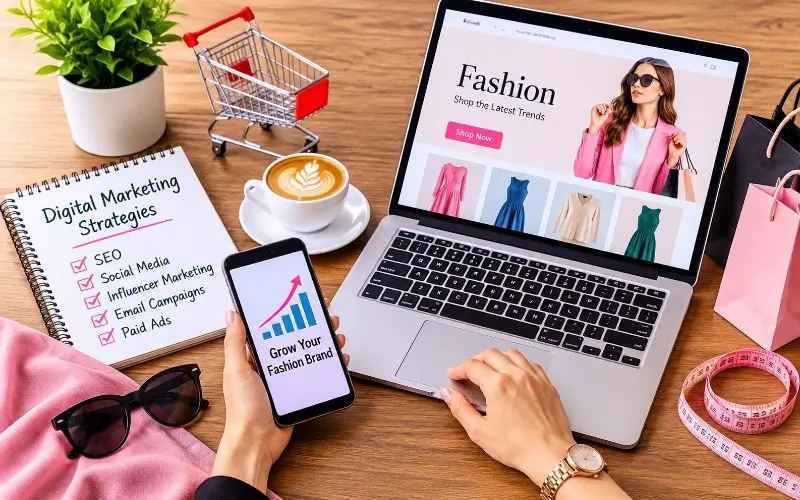
An effective digital marketing strategy is key to helping fashion brands get their collections out there, to communicate their brand and to build relationships with their customers. It’s all about search engine optimisation, social media, influencer marketing and so on. fashion marketing in the UAE specifically will require a real understanding of the way people shop locally, of the seasonal trends and of digital consumer behaviour.
Here are some practical digital marketing strategies that fashion brands can use to improve their online visibility and get in touch with customers across the UAE.
1. Build a Strong Brand Identity Online
Fashion is intrinsically linked to personal style, lifestyle and self expression with the consumer choosing brands that reflect their own preferences and values.
A consistent brand identity is key to a fashion business standing out across its various online and offline platforms (websites, social media, advertising etc).
Fashion brands should be focussed on consistency in their visual language (i.e. the photography, the colours, the typography, the messaging). Product descriptions need to contain the key details such as fabric, fit, size and care.
A more modest fashion label might be promoting comfortable fabrics, versatile styling and collections that are suitable for a variety of occasions. A luxury fashion brand on the other hand might be all about the craftsmanship, the materials and the detail of the design.
The objective is to create a brand identity that is recognisable to the customer across all the various digital channels.
2. Use Social Media to Showcase Fashion Collections
Social media marketing is a key driver of product discovery and customer engagement for fashion brands. The various social media platforms (Instagram, TikTok, Pinterest, Snapchat etc.) all provide a means of showcasing collections through visual and interactive content.
Rather than just going for the promotional posts, fashion brands can create content that actually helps the customer to understand how the product fits into their life.
Effective content ideas include:
- Short videos showing various ways to style an outfit.
- Behind the scenes from the shoots and the collection launches.
- Seasonal fashion inspiration and styling tips.
- Customer photos and reviews (shared with permission)
- Product demonstrations focusing on the fabric, the fit and the design.
Brands should be selecting platforms on the basis of their audience rather than trying to be active on every platform.
For fashion retailers targeting customers in Abu Dhabi, working with a social media marketing service in Abu Dhabi can support location-specific campaigns, content planning and audience engagement.
Consistent publishing and genuine interaction will go a long way to help fashion brands build a real relationship with their followers.
3. Improve Online Visibility Through SEO
Search engine optimisation helps fashion businesses to appear in the relevant searches when people are searching for products, collections or retailers.
A well structured fashion site should have clear product categories, appropriate page titles, useful product information and mobile navigation.
For example, a fashion retailer offering traditional and contemporary clothing could optimise relevant pages around searches such as:
- Modest fashion brands in the UAE
- Women’s clothing boutiques in Dubai
- Abayas in Abu Dhabi
- Sustainable fashion brands in the UAE
Keywords should be woven in naturally to category pages, product descriptions and the various types of informational content.
Local SEO is very much about fashion brands with a physical presence. Getting your Google Business Profile details right (your store locations, your opening times etc) and having good customer reviews will go a long way to helping customers find your store locally.
SEO also underpins broader fashion brand promotion by making it easier for people to find relevant website content via search engines.
4. Collaborate with Relevant Fashion Influencers
Influencer marketing enables fashion brands to launch their ranges via influencers who already have a relationship with a specific audience.
However if you’re just going by follower count to select your influencers you may not be getting the right level of engagement.
Fashion brands should look at audience demographics, the quality of the content, the level of engagement and whether the creator’s own style is in line with the brand.
A more niche example would be a modest fashion brand working with the myriad of creators who are constantly posting modest style content. A sportswear brand could partner with fitness and lifestyle influencers whose followers are obviously going to be interested in active wear.
Collabs can be styling videos, collection reviews, product demos and event coverage.
Brands should also make sure that any paid partnerships comply with the relevant UAE advertising and disclosure requirements.
The focus has to be on the product and getting it in front of the right people (the people who are actually interested in the collection).
5. Create Content Around UAE Fashion Seasons and Events
Fashion marketing in the UAE can be very much enhanced by content that reflects the local calendar, the local climate and the way people actually shop.
Ramadan, Eid, weddings, seasonal collections etc all provide the opportunity for relevant campaigns.
A fashion retailer could produce an Eid styling guide, showcasing some of the pieces from their range. Another brand could do a summer campaign focusing on the use of light fabrics and lightweight clothing.
Useful content formats include blog posts, styling videos, social media posts, email newsletters and digital lookbooks.
Fashion brands should be planning their campaigns well in advance to ensure that the product is available, the content can be produced and the advertising schedule can be put in place.
Seasonal content should be of real value rather than just stuffing promotional copy with the relevant seasonal keywords.
6. Use Paid Advertising to Reach Relevant Customers
Paid digital advertising can be of great use to fashion brands in terms of getting to potential customers who aren’t already their followers.
Google Ads can be used to target people who are searching for specific types of clothing or products. On social media you can target people based on the various targeting options available to you (interests, engagement etc).
Fashion brands can run paid campaigns to promote new collections, seasonal ranges, store openings and selected products.
Campaigns should be directed to the relevant landing page rather than sending every visitor to the homepage.
For instance an ad for evening dresses would lead to the appropriate product category or collection page.
Brands should be monitoring campaign performance using the usual metrics of click through rate, conversion, cost per acquisition and ROAS.
These are the insights that allow you to work out which products, which messages and which audiences are worth investing in further.
7. Strengthen Customer Relationships Through Email Marketing
Email marketing is still a useful channel for getting in touch with customers who have opted to receive updates from the brand.
Fashion retailers can use email campaigns to promote new collections, provide styling advice, run offers and share relevant product information.
Audience segmentation can make the message more useful. A customer interested in formal wear for instance may be more interested in news about occasion wear than in some other category.
Brands should offer clear subscription options and comply with the relevant UAE data protection and marketing communication requirements.
Personalised communication (where it’s based on the right customer preferences and consents) can be a good way of enabling repeat engagement without the subscriber being overwhelmed.
8. Measure Digital Marketing Performance
An effective fashion digital marketing strategy in the UAE will require regular performance reviews.
Fashion brands should be looking at website traffic, product page engagement, sales conversions, social media engagement and advertising performance.
Google Analytics and the relevant advertising platform reports can both be used to see how customers are finding your products and how they are interacting with your site.
Performance should be measured against specific objectives. A brand launching a new range is going to be very much focused on product discovery, whereas a more established retailer may be looking to drive repeat purchase.
Regular reviews are useful in the sense that they allow you to tweak your content, your ad spend and your campaign focus.
Strengthening Your Fashion Brand Online
Successful digital marketing for fashion brands is about so much more than just publishing some pretty pictures or running a few ads here and there. It’s about having a coherent strategy that brings together the brand, the SEO, the social media, the paid media and the customer communication.
As online shopping and digital product discovery continue to influence purchasing decisions, fashion marketing in the UAE should focus on creating relevant experiences across the customer journey.
By understanding their audience, producing useful content and measuring campaign performance, fashion businesses can strengthen their online presence and support sustainable brand growth in a competitive retail environment.
Read Also: Forsan Central Mall Abu Dhabi