



Everything Tourists Need to Know Before Visiting Al Fahidi Historical Neighbourhood
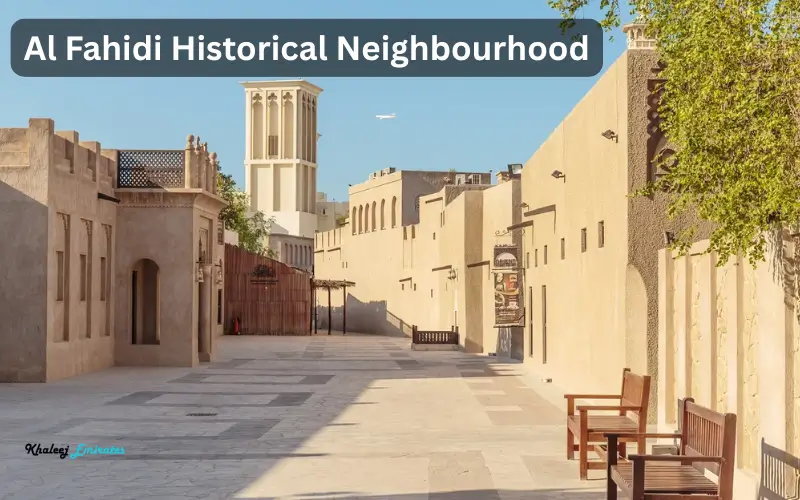
Al Fahidi historical neighbourhood is one of the most famous Dubai heritage neighbourhoods. Known for luxury hotels and tall skyscrapers, the city’s old culture and history are also sought after by many tourists. It is close to Dubai Creek, has narrow streets, old houses, museums and art galleries, and traditional cafes. The historic buildings and the peaceful atmosphere are enjoyed by visitors. The neighbourhood evokes the lifestyle of the inhabitants of pre-modern Dubai. The merchants and traders constructed it in the late 1800’s. Many of the old buildings are now restored and are popular cultural attractions.
A Glimpse Into Old Dubai
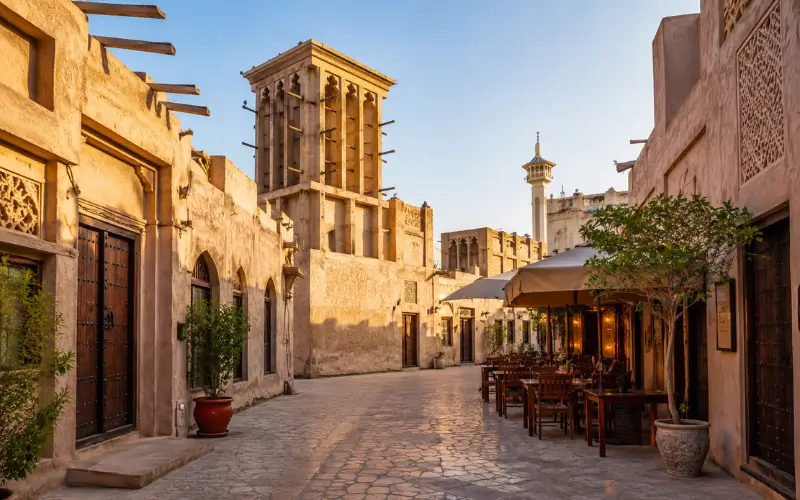
It is a highly significant heritage site of Old Dubai, as it is known as the place of architectural and cultural legacy of previous generations. The district is very different to the hustle and bustle of Dubai’s modern lifestyle. People frequently say that the moment is serene, genuine, and instructive.
The streets are lined with rejuvenated houses which have courtyards, wooden doors, gypsum decoration and famous wind towers which were built to cool the houses before the invention of air conditioning. The features represent some of the traditional architecture of the Emirati and continue to draw historians, photographers and cultural tourists.
Tourists flock to the neighbourhood in the mornings or at dusk when the lighting is best for capturing the beauty of the buildings. At these times, cafes and small museums start to attract visitors too.
History of the District
The district is believed to have started in the 1890s when the merchants from Persia settled and built trading posts in the area. As it was near Dubai Creek, the area was a significant hub for pearl trading and commerce.
During the latter part of the 20th century, Dubai’s transition into a modern city saw many of its traditional buildings torn down. Later, cultural values were discovered, and heritage experts and authorities noted the importance of preserving this neighbourhood.
The district today is one of the best examples of the preservation of a historical district in Dubai. In the buildings which were subject to restoration, care has been taken to maintain the original style whilst making the interior suitable for tourism, exhibitions and public events.
Why Tourists Visit
Dubai tours to this place have several benefits for travellers. The district is quite different from shopping malls or modern attractions, providing a more immersive cultural experience.
Some visitors visit to learn about the local history and go to the museums, others take photographs of the monuments and architecture, or enjoy an armchair stroll in a shady alleyway. Many art enthusiasts spend hours in the galleries, enjoying local art and crafts.
The area is also popular among international tourists searching for authentic experiences instead of commercial entertainment. The district is recognised as one of the best historic sites in Dubai by the many travel bloggers who have been impressed with its educational, cultural, food and heritage experience.
Top Attractions Inside Al Fahidi Historical Neighbourhood
There are numerous little attractions within walking distance of one another in the district. Most visitors can enjoy a relaxed 2-4 hours of walking around the neighbourhood.
| Attraction | What Visitors Can Expect |
| Dubai Museum Area | Historical displays and cultural exhibits |
| Coffee Museum | Traditional coffee history and tasting experiences |
| Art Galleries | Contemporary and local artwork |
| Heritage Houses | Traditional courtyard homes |
| Creekside Walking Areas | Scenic views and photography spots |
Numerous restored buildings are now used as museums that depict the history of pearl diving, maritime trade, local customs, and the way of life in the desert. These museums give a better understanding of life before modern urban development.
The Coffee Museum is a popular tourist destination for those interested in the tradition of coffee in the Arab world and the history of coffee. Guests can admire historical coffee-making tools, have the opportunity to discover how to make coffee and participate in coffee tasting.
Wind Towers and Architecture
The wind tower houses that Dubai travellers often click photos of are one of the most iconic elements of the neighbourhood. Before the development of electricity and air conditioning, wind towers were designed to be used as a natural cooling system, which would channel airflow into the house.
These towers are still significant engineering landmarks and a climate adaptation in the region. They are designed for practical reasons that have taken many years to develop, so they can endure the extreme cold.
In the building architecture, all the following elements:
- Pedestrian lanes are narrow to provide shade.
- Enclosed court areas for privacy and ventilation
- Both natural and man-made gypsum and coral stone are used as building materials.
- Carved wooden doors and lattice windows
These all continue to shape contemporary designs based on the Gulf heritage.
Best Time to Visit
Nov-Dec and Feb-March are the best months for a comfortable tour of the district. This time of year allows visitors to experience the outdoors without the problem of excessive heat.
The early hours of the morning are best for visiting and taking pictures as things are quieter, and the weather is not too hot or too cold. In the evenings, visiting is also popular, with the lights giving a cosy feel to the streets and cafes.
Summer visits are still allowed, but the daytime temperature may be extreme. There are a lot of indoor galleries and museums that will keep their air conditioners on to keep their visitors cool.
Cultural Experiences
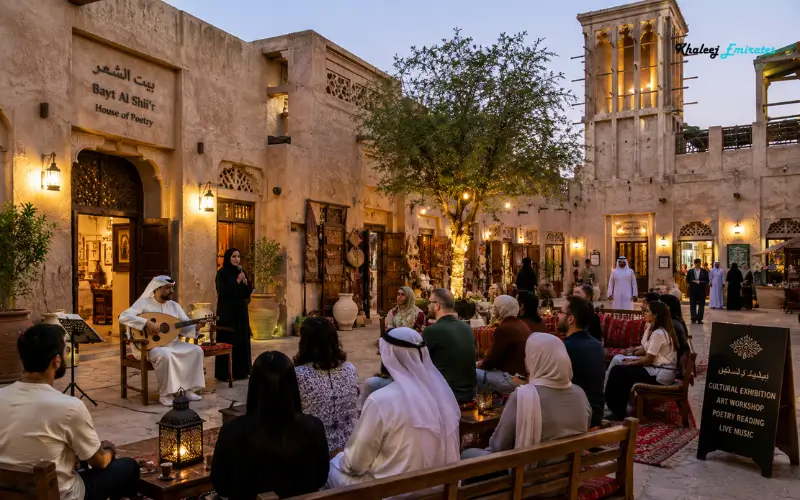
The district organises cultural exhibits, art activities, poetry readings, and heritage activities regularly. Residents are sometimes lucky enough to find live music, local craft and educational workshops available based on the season.
The neighbourhood is also a significant part of the region’s identity, so many schools and cultural groups offer guided tours of the area.
Emirati cuisine can also be savoured in local cafes and restaurants offering authentic Emirati dishes, Arabic coffee and desserts. The meals provide a glimpse into the local hospitality practices and customs.
Nearby Attractions
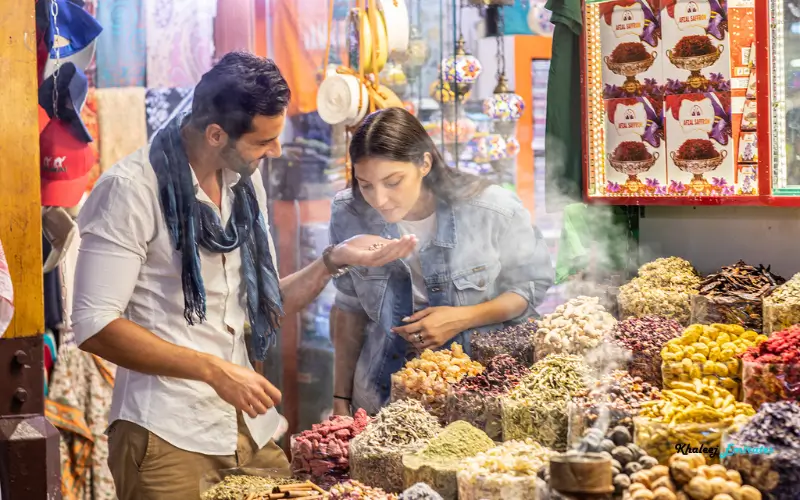
There are several popular tourist sites which are within easy reach of the Al Fahidi historical neighbourhood, so you can visit more of the old part of Dubai in one go.
- Dubai Creek – 5-minute walk
- Al Seef – 7-minute walk
- Textile Souk – 8-minute walk
- Dubai Museum – 5-minute walk
- Gold Souk – 10 to 15 minutes by abra ride
- Spice Souk – 10 minutes by abra ride
- Sheikh Mohammed Centre for Cultural Understanding – 3 minutes walk
- Dubai Frame – Around 15 minutes drive
Photography Opportunities
Because of its texture, lighting and historical feel, the district is one of the best places in Dubai for photography. Some pictures of the narrow alleyways, lanterns, courtyards and traditional doors were taken by the photographers.
Sunrise and sunset create the best light. The grey tones, the sandier hues, and the restored architecture give rise to cinematic scenes that are enticing to travel photographers and social media makers.
However, many places aren’t as crowded as tourist spots, meaning photographers can work without the stress.
Art and Creativity
It has now become a hub for creativity, with artists and designers exhibiting and installing works of regional culture. Artwork in the form of paintings, photography, handmade jewellery, ceramics and textile work is all common in many galleries.
There are galleries dedicated to new Middle Eastern artists, and others with international shows reflecting desert themes and traditions.
In addition, creative workshops are held all year for visitors to learn calligraphy, painting and traditional craft-making skills.
Food and Cafes
Several cafes are located within restored buildings and offer dates, pastries, local food and Arabic coffee. Food is served in traditional courtyard settings, creating a memorable ambience and experience that is different from that of a modern restaurant.
Common food items on the menu are:
- Coffee and tea in Arabic.Tea/Coffee in Arabic.
- Luqaimat desserts
- Fresh juices
- Grilled regional dishes
Venturing into the world of the coffeeshop, a lot of cafes are designed to fit in with the atmosphere, with wooden furniture, lantern lights and historic decorative components.
Accessibility and Transportation
The district is easily accessible by public transport, taxis or private car. The stations of the metro are close by; depending on the route, it is possible to walk there or drive.
The neighbourhood is easily accessible for tourists who are staying near central Dubai, not only because of its proximity to the major roads and transport networks.
Weekends and holidays may see a shortage of parking spaces, leading many visitors to prefer to take taxis or public transport to avoid any risks of delay.
Why Families Enjoy the Area
This is a popular choice of family holiday destination as it offers learning and fun in a relaxed setting. Local history is introduced to the children, and they can enjoy open walking spaces and culture.
The neighbourhood allows for slower, more thoughtful exploration and engagement with heritage displays and museums, as opposed to an indoor setting that is more crowded.
Parents are also thankful for the peacefulness and learning that exists as opposed to other entertainment places.
Importance of Heritage Tourism
The district has a great contribution to tourism development and cultural identity conservation. Historic structures that would have been lost to urban sprawl were saved by restoration.
The neighbourhood is now a successful model of the preservation of culture and tourism. Modern facilities are provided alongside authentic heritage environments so that visitors can enjoy modern facilities while experiencing authentic environments.
The region is also regarded as one of the most significant cultural sights in Dubai, offering a glimpse into some of the region’s traditions that are not frequently highlighted in tour packages.
Connection With Al Bastakiya
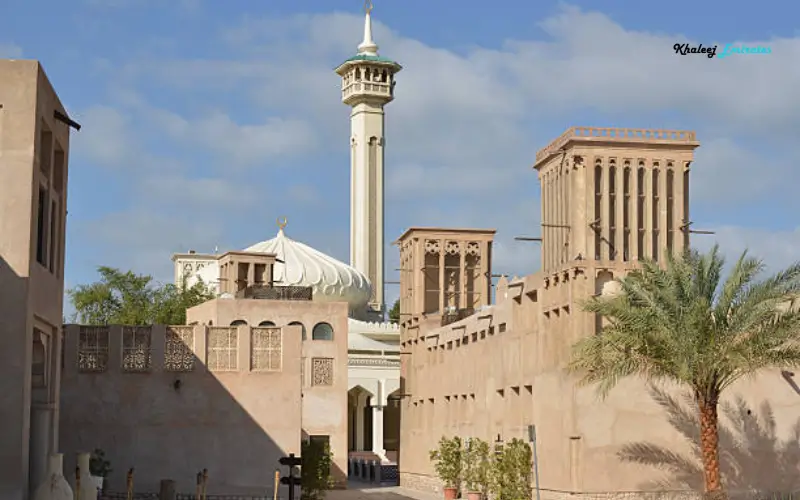
So many tourists are familiar with this historic name, Al Bastakiya, in Dubai. The name is derived from the Persian town of Bastak, which was home to merchants who first settled in the district many generations ago.
Over the years, the modern name evolved, but both names are used interchangeably by locals and travel guides to refer to the neighbourhood.
This historical understanding enables visitors to appreciate the multicultural influences that contributed to Dubai’s early trading communities.
A Living Heritage Experience
Everything in the district is a dynamic museum, and art, history, food and tourism continue to grow and develop together. Exhibitions are added to the galleries regularly, cafes offer seasonal menus, and heritage programmes have been added to the programme for the year.
It also links to other region-wide heritage preservation efforts such as museums, restored markets and educational programs.
After spending time in the district, many visitors will take away a greater appreciation of the culture and historical trade of the Gulf.
Visitor Tips
Preparing in advance can enhance the tourist’s experience when he is coming to visit.
- Use comfortable walking shoes, as many lanes will only allow walking.
- Bring water with you in the summertime.
- Avoid going to museums during peak hours when there are crowds.
- Follow cultural rules for taking pictures
- Allow additional time for close-in creek activities
These are small touches which make a more enjoyable and smoother visit.
The Role of Heritage in Modern Tourism
Today’s travellers are looking more and more for a significant cultural experience, not just one with luxury inclusions. Heritage districts offer emotional and educational value which can’t be replaced by modern entertainment centres.
The restoration of historical areas is a trend of tourism that is spreading around the world. Today, tourists are seeking to learn about traditional culture, architecture, local cuisine, and local life, along with the experiences of the modern city.
The neighbourhood reflects this very well, and encloses a mixture of historical buildings and tourist-friendly infrastructure.
How the Area Reflects Regional Identity
Important aspects of the Gulf identity are evident in the architecture, hospitality, the history of trade and the arts within the district. Each alley and rehabilitated building tells a story of the metamorphosis of Dubai from a trading settlement to a global city.
People frequently remark on the attention to detail in preservation work, noting that much has been retained in the buildings even as they have been adapted for use in today’s tourism.
This is one of the best things about the neighbourhood, the balance of preservation and development.
Things to Do in Al Fahidi Historical Neighbourhood
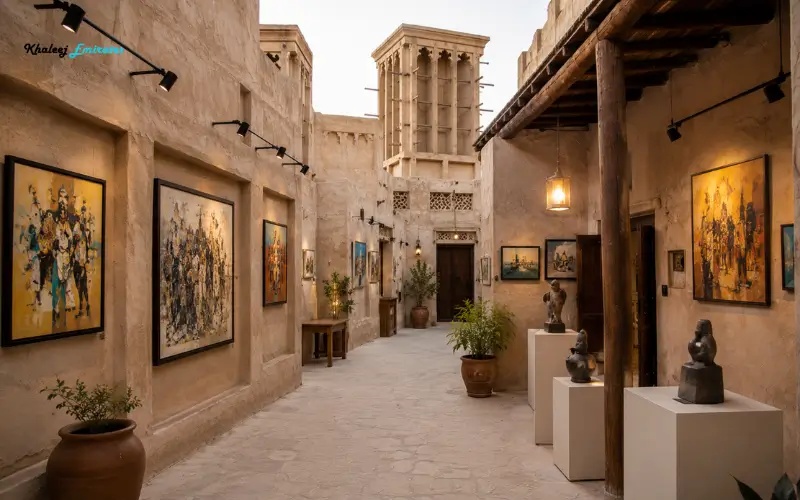
People can experience traditional culture, history, and photography in this historic area. There are plenty of activities to do for tourists interested in the old Dubai of the neighbourhood.
Explore the Heritage Streets
Stroll through the narrow streets lined with old-fashioned buildings and quiet courtyards. An opportunity for the visitors to experience the atmosphere of old Dubai is provided in the area. Numerous streets are ideal for both taking pictures and taking a walk.
Visit Museums and Cultural Centres
There are several museums within the neighbourhood that offer an explanation of the local history, pearl diving and traditional life. Cultural Centres also host exhibitions and heritage programs for visitors and families.
Enjoy Traditional Cafes
Numerous of the restored buildings now serve Arabic coffee, tea and local snacks as cafes. People can find tranquillity while enjoying comfortable conditions in the traditional courtyard.
Discover Art Galleries
Numerous small galleries are displaying local and international art. Visitors will discover paintings, photography, handmade crafts and innovative exhibitions reflecting the local culture.
Take an Abra Ride
Dubai Creek is nearby, where visitors can also experience the abra boat ride. These wooden boats provide beautiful views of old trading areas and nearby souks.
Visit the Coffee Museum
The Coffee Museum is one of the most popular attractions in the area. The visitors can learn about the culture of Arabic coffee, view the antique tools used to prepare the coffee and taste it.
Conclusion
If you’re looking for culture, history, photography, and architecture, then Al Fahidi Historical Neighbourhood is one of the best places to visit in Dubai. The area has maintained streets, museums, galleries, cafes, and traditional buildings, and it offers a tranquil space to get away from the modern skyline. The visitors can see the heritage houses, take pictures with the famous wind towers, drink Arabic coffee and walk through the quiet alleyways near Dubai Creek. The district provides visitors the opportunity to learn about the history and culture of Dubai’s past and offers them a relaxing and memorable journey.
Must Read: Experience Starbucks Al Seef Dubai with Waterfront Views and Heritage Charm
Arab Culture Club – Preserving Heritage, Art & Community
Al Boom Tourist Village Dubai Complete Visitor Guide
FAQs
What is the Al Fahidi historical neighbourhood famous for?
It is well known for its historical architecture, museums, art galleries, wind towers and traditional cultural activities in Dubai.
Is entry free for visitors?
Visitors will be able to roam the site for free, except for some museums where it may be possible to enter for a small charge.
How much time is needed to explore the area?
The typical tourist visits the neighbourhood for about 2-4 hours at their own leisure.
What is the best time to visit?
The cooler season (November to March) is the best time to do sightseeing.
Can tourists take photos in the area?
Yes, pictures can be snapped in most of the outside areas and heritage streets.
Are there restaurants and cafes nearby?
There are plenty of traditional cafes and local restaurants that can be found within and around the region.
Is the area good for families?
Yes, families come here because there is history, culture, museums and places to walk and enjoy peace.