



Abra Deira Dubai: Routes, Fares, Timings & Visitor Guide (2026)
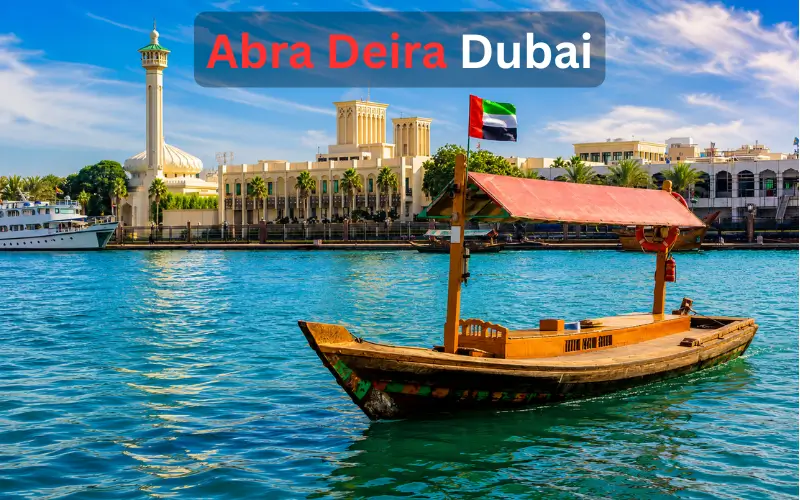
For those looking to explore the traditional side of Dubai, riding an Abra Deira Dubai is one of the best options. It’s an easy and low-cost method to cross Dubai Creek from Deira to Bur Dubai. The traditional ride costs only AED 1 and typically lasts only a matter of minutes. Many people use the abra on a daily basis, and it is also very popular among visitors. As you journey, you will see stunning views of the creeks and can stop at scenic spots such as the Gold Souk, Spice Souk, and Al Fahidi Historical Neighbourhood. The abra continues to be a vital component of Dubai’s public transport network and a cherished method for exploring the city’s rich heritage, and under the auspices of the Roads and Transport Authority (RTA), it remains an integral part of Dubai’s public transport system.
Quick Facts About Abra Deira Dubai
| Feature | Details |
| Attraction | Traditional Abra Ride |
| Location | Dubai Creek, connecting Deira and Bur Dubai |
| Operator | Roads and Transport Authority (RTA) |
| Traditional Fare | AED 1 per passenger |
| Heritage Petrol Abra Fare | AED 2 per passenger |
| Typical Crossing Time | 5–10 minutes |
| Main Stations | Bur Dubai, Deira Old Souq, Al Sabkha, Al Fahidi, Baniyas |
| Best Time to Visit | Early morning or before sunset |
| Suitable For | Families, solo travellers, photographers, commuters |
Routes, fares and timetables subject to change. Please refer to the latest updates from the RTA before travelling.
What Is Abra Deira Dubai?
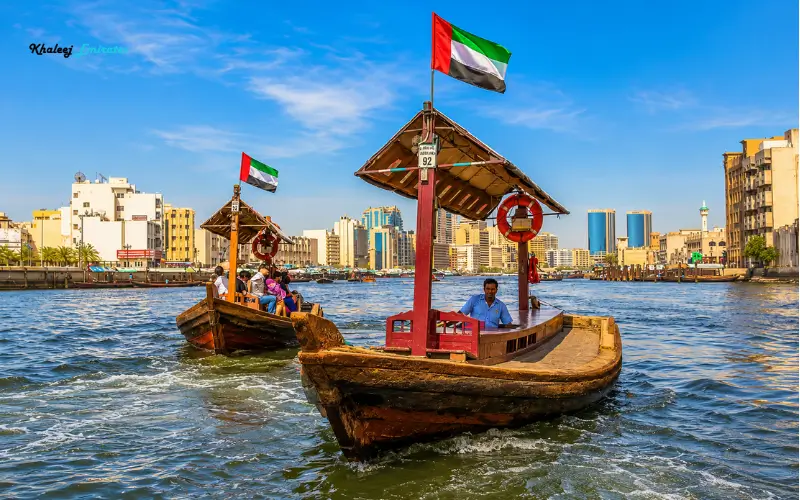
The abra is an ancient wooden passenger boat that has been used for years and years on Dubai Creek. The abras were the main means of getting from Deira to Bur Dubai long before the establishment of modern bridges, tunnels and metro stations.
These boats are still in use today as a key component of Dubai’s maritime transportation system and as one of Dubai’s most authentic tourist experiences.
The normal crossing is just several minutes long, but the trip provides a stunning view of Dubai’s history and evolution. Along the journey, riders will spot traditional trading dhows, vibrant souks, historic buildings, and the cityscape showcasing Dubai’s evolution into a global hub.
The abra is a public transport service that is still in use and not a reenactment of public transport for visitors, as are many of the heritage attractions.
Why the Abra Is Still Important Today
Despite Dubai’s advanced transport infrastructure, the traditional abra continues to play an important role in everyday life.
It is a popular product because of its affordability, convenience, and cultural importance. It’s used by locals for rapid river crossings and by tourists to enjoy an experience that is unavailable in the modern world of transportation.
The RTA has maintained this heritage service and enhanced the area’s safety and introduced more marine routes, ensuring that traditional transportation is not disregarded in a fast-growing city.
History of Dubai Creek and the Traditional Abra
Dubai Creek is the perfect beginning to understanding the abra, which was very significant in the early development of Dubai. The city was the hub of commerce and everyday existence before it was a worldwide destination.
Before oil was discovered, traders from India, Persia, East Africa and neighboring Gulf nations came through the creek. They exchanged dates, pearls, textiles and other commodities. This led to Deira becoming one of the most active trading centres in the region.
There were no bridges at that time to cross from one side of the creek to the other. A small wooden boat was used for people to cross between Deira and Bur Dubai. Later called “abras.
Dubai now has up-to-date roads, bridges and metro lines. But the abra remains an integral part of the city’s history. It provides an opportunity for visitors to enjoy a part of Dubai’s history while crossing the creek.
Abra Routes Serving Deira and Bur Dubai
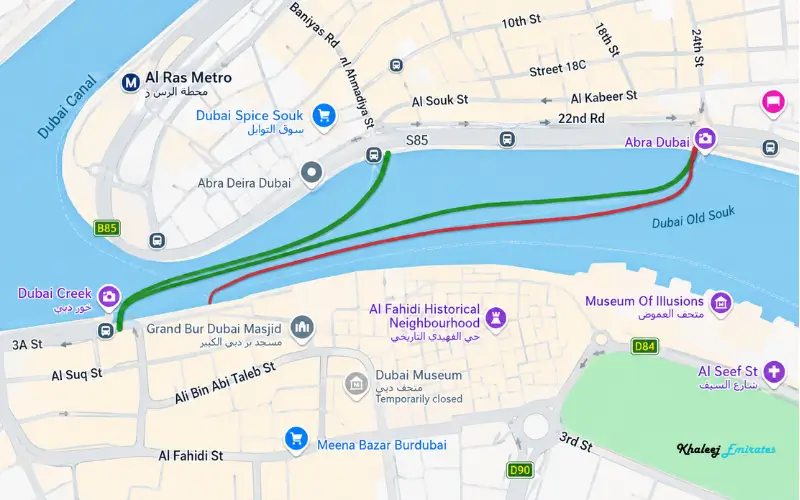
There are several routes across Dubai Creek, with two being the more traditional and more popular among commuters and visitors.
Bur Dubai Abra Station ↔ Deira Old Souq Abra Station (CR1)
Here is the archetypal creek crossing, and it’s the one most people take. It directly connects Bur Dubai Abra Station with Deira Old Souq Abra Station, which allows travellers to travel between the historic parts of the city quickly.
This trip is usually not more than 10 minutes in duration and runs from early morning until midnight.
Dubai Old Souq Abra Station ↔ Al Sabkha Abra Station (CR2)
The second traditional route offers a direct connection between Dubai Old Souq and Al Sabkha, offering easy access to shopping areas, local markets, and public transport.
This service runs 24/7 on the RTA timetable, thus making it one of the most convenient public transportation services in Old Dubai.
Heritage Petrol Abra Routes
Heritage petrol abras run alternative commuter services such as:
- Dubai Old Souq – Baniyas (CR3)
- Al Fahidi – Al Sabkha (CR4)
- Al Fahidi – Deira Old Souq (CR5)
- Al Seef – Baniyas (CR6)
These routes are run in upgraded heritage-style boats, but maintain the traditional look and feel. The usual charge for these services is AED 2 per passenger.
Abra Deira Dubai Fare
One of the reasons why the traditional abra is still popular is due to its extremely low price.
| Service | Current Fare |
| Traditional Motorised Abra | AED 1 per passenger |
| Heritage Petrol Abra | AED 2 per passenger |
| Traditional Abra Private Charter | AED 120 per hour |
Most of the traditional creek crossings are cash-paid, and some of the modern marine services are cash or NOL card, debit or credit card paid, depending on the station and route. Users are encouraged to check what form of payment is accepted before travelling to the station, as not all stations will have the same payment method.
Abra Operating Hours and Service Schedule
The extended operating hours of Abra Deira Dubai are one of the considerable advantages of having it. Traditional abras are part of Dubai’s public transport network, operating throughout the day to facilitate travel across Dubai Creek, making life easier for both residents and visitors. The operating hours are different for different routes, and some services are available 24 hours per day, according to the Roads and Transport Authority (RTA). When travelling, always refer to the up-to-date timings before your journey, as they may be adjusted on public holidays and during maintenance.
| Abra Route | Typical Operating Hours | Average Journey |
| Bur Dubai Abra Station ↔ Deira Old Souq | 5:00 AM – 12:00 AM | 5–8 minutes |
| Dubai Old Souq ↔ Al Sabkha | 24 Hours | 5–7 minutes |
| Heritage Petrol Abra Routes | Around 7:00 AM – 12:00 AM | 8–15 minutes |
The hours may be different for the individual heritage route services.
Due to the high rate of departures, there is no need to wait more than a few minutes between departures during normal hours of operation.
Boarding Locations and Main Abra Stations
It’s easier to explore Old Dubai if you select the right boarding point. All major stations are near historic markets, metro stations, and popular tourist attractions.
Bur Dubai Abra Station
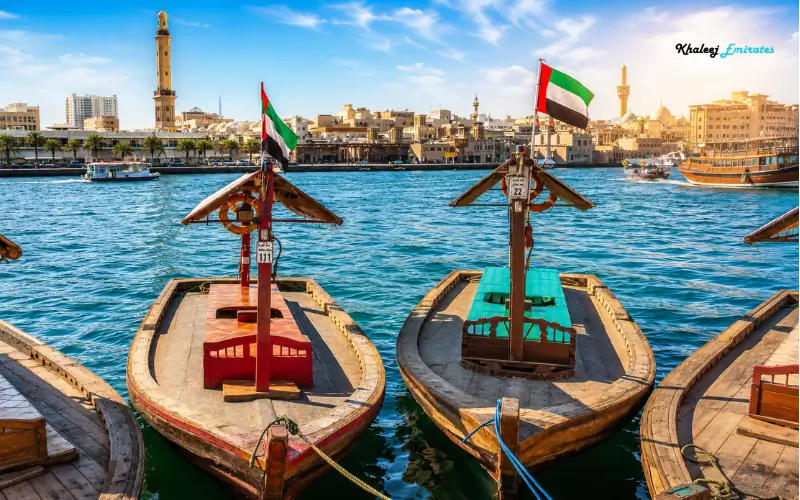
The station is located close to the Textile Souk and Al Fahidi Historical Neighbourhood, making it an ideal starting point for visitors interested in the cultural aspects of Bur Dubai. It is also very convenient to access museums, cafes, and historical buildings.
Deira Old Souq Abra Station
This station is directly opposite Bur Dubai and will lead to the famous Gold Souk, Spice Souk, and the traditional shopping streets. It is generally the peak tourist spot to board the abra.
Al Sabkha Abra Station
Al Sabkha is one of the oldest commercial areas of Deira, and is an important place for people to cross between both sides of the creek.
Al Fahidi Abra Station
This station is primarily used for station services for petrol abra services in the heritage section, and it is another convenient station for visitors exploring Dubai Creek.
The stations have specially allocated waiting areas where RTA personnel will ensure passenger entry is controlled and secure.
How to Reach the Abra Stations
The integrated public transport system in Dubai makes it easy to get to the abra stations from nearly anywhere in the city.
By Dubai Metro
One of the easiest ways of reaching Dubai Creek is via Metro.
The closest stations are:
- Al Ghubaiba Metro Station
- The project was designed by the DGMK (Sharaf DG metro station).
- Alkhubairiyah Alkhubairiyah Metro Station
- Baniyas Metro Station is located in Baniyas Square.
The majority of the stations are just a short walk from the creek, enabling visitors to enjoy both metro and marine travel in one trip.
By Bus
Several RTA bus routes stop near Bur Dubai or Deira, which is also an affordable choice to get to the waterfront.
By Taxi
Dubai taxis offer a convenient service for families, seniors, and those with heavy luggage. The main abra stations are located near taxi drop-off stations.
By Ride-Hailing Services
Cabs like Careem and Uber are also available in Dubai and have a direct link to the boarding areas.
Nearby Attractions You Shouldn’t Miss
The abra ride is just a small aspect of Old Dubai. The city’s historic sites are within walking distance of the boarding stations, making it easy to spend several hours exploring the city.
Gold Souk
The Gold Souk is one of the most renowned traditional jewellery markets in the world, with hundreds of stores offering gold, platinum, diamonds and other precious and beautiful gemstones. It is a common place for visitors to come even if they are not shopping, to view the elaborate displays.
Spice Souk
The Deira landing point is just a walk away from the Spice Souk, where you can find colourful stalls selling saffron, cinnamon, cardamom, dried herbs, tea, incense and Arabic perfumes. Dubai’s rich trading history with Asia and Africa is reflected in the market.
Al Fahidi Historical Neighbourhood
This well-preserved area features authentic Emirati-style architecture, including narrow lanes, wind towers, museums, art galleries and cultural centres. It’s still one of the best places to get to know Dubai before the modern skyscrapers came into the world.
Textile Souk
The Textile Souk is located in Bur Dubai and specializes in textiles and pashminas, souvenirs, old-fashioned garments, tailoring, and handmade gifts.
Al Seef
Al Seef is a blend of old and new architecture, featuring an array of restaurants, cafes, and boutique shops bordering Dubai Creek and a great spot to rest after an abra ride.
Photography Tips for the Best Abra Experience
Dubai Creek offers some of the best waterfront photography opportunities in Dubai. Having a professional camera or a smartphone camera, timing and positioning are important.
When best results:
- Arrive at the creek 30-60 minutes before sunset and experience warm golden light reflecting on the creek.
- Come up to the side of the boat and enjoy the views of both Deira and Bur Dubai without any obstructions.
- Take pictures to capture the difference between traditional wooden abras, historic trading dhows, and Dubai’s modern skyline.
- Use the creek as foreground for landscape shots to add depth to the image.
- Composing is easier in the early morning, when the water is calmer, the light is softer, and there are fewer passengers.
- Please respect the privacy of the passengers; don’t take close-up photos without consent.
Sunrise is also recommended for professional photographers due to the more gentle lighting and colours during these hours as compared to midday. Sunrise and sunset are also recommended for professional photographers, because these are the times when lighting is well soft, and colours are rich.
Best Time to Visit
The abra is in operation all year long, but the overall experience varies according to season and hour of the day.
Morning
The mornings are quieter and cooler than the evenings, generally, particularly during the months from October to April. It’s a great time of year to see the sights and take photos, with fewer crowds.
Afternoon
In the summer months, it can get very hot in the afternoon. During the summer months (May to September), it is recommended to drink plenty of water and wear light clothing.
Sunset
Many people think that Sunset is the best time to visit Dubai Creek. The mixture of golden light, lighted buildings on the waterfront, and active trading boats provides spectacular views.
Evening
Night rides are a different experience as lights play across the lake while the local souks, restaurants and cafés continue to bustle with activity.
Traditional Abra vs Water Taxi vs Water Bus
It’s always easy to get the mix of the various marine transport services in Dubai wrong. Knowing what the differences are can aid you in selecting the best option for your travel plans.
| Feature | Traditional Abra | Water Taxi | Water Bus |
| Main Purpose | Public transport | Private transport | Scheduled public transport |
| Average Fare | AED 1–2 | Premium pricing | Higher than traditional abra |
| Capacity | Shared passengers | Private booking | Multiple passengers |
| Heritage Experience | Excellent | Limited | Modern |
| Best For | Sightseeing and commuting | Groups and customised trips | Longer marine journeys |
For anyone looking to enjoy Dubai’s heritage on a very tight budget, the traditional abra is still the best choice.
Expert Travel Advice
For many travelers, it is better to visit the sites around the city rather than go on an abra ride. This provides an enhanced visit to Old Dubai in a few hours.
The start is at Al Fahidi Historical Neighbourhood, a good route. Then walk to Bur Dubai Abra Station, cross the Dubai Creek, and visit the Spice Souk and Gold Souk.
For families, mornings or evenings are the best time of day if you’re travelling, as the weather is cooler. Weekday mornings are generally less hectic than the weekends and are more comfortable to travel.
To see the best and take the best photos, ride during the morning and evening hours. In November to March, you will also experience good weather for strolling the historic areas after an abra ride.
Safety, Accessibility, and Visitor Etiquette
The RTA maintains strict operational standards to ensure passenger safety across its marine transport network.
Wait until directed by the operator before entering the boat, as it may move slightly while people are boarding. If sitting, stay where you sit as you cross until you are told otherwise.
Some traditional marine transport systems are less accessible than modern marine transport for people with reduced mobility as they have to get on board the ship. For those who need further assistance, they should check with the RTA for appropriate transport by sea before travel.
The use of abras on a daily basis by the local community should mean that visitors to the area should not hinder boarding, speak in a respectful tone, and ensure that other people have left the abra before getting on.
Suggested Half-Day Itinerary Using the Abra
For first-time visitors to Old Dubai, it makes sense to plan your route around the abra to get the best of the area’s history, markets and waterfront. The following tour has been designed to bring together the most popular heritage sites in Dubai in a few hours.
| Time | Activity |
| 9:00 AM | Explore Al Fahidi Historical Neighbourhood |
| 10:00 AM | Visit the Textile Souk |
| 10:45 AM | Board the traditional abra at Bur Dubai Abra Station |
| 11:00 AM | Cross Dubai Creek to Deira Old Souq Abra Station |
| 11:15 AM | Walk through the Spice Souk |
| 12:00 PM | Visit the world-famous Gold Souk |
| 1:00 PM | Enjoy lunch at a local restaurant overlooking Dubai Creek |
The walk offers both sides of the creek and a history lesson on Dubai’s trading history with one of the cheapest modes of public transport in Dubai.
Why the Abra Remains One of Dubai’s Best Value Experiences
The abra is one of those attractions that is geared towards tourism in Dubai. Today it still provides thousands of commuters with their route home every day and a glimpse into the city’s history.
It is distinguished by several points:
- Exceptional value: A traditional crossing is one of Dubai’s most affordable attractions and costs just AED 1.
- Real heritage: The abra is still in operation and is part of Dubai’s public transport system.
- Easy access: The major heritage sites are within walking distance of the boarding stations.
- Great photo opportunities: The juxtaposition of the historic trading boats and Dubai’s modern skyscrapers offers unique photo opportunities.
- Convenient transportation: Metro stations, buses, and taxis are very convenient to the creek.
Due to these benefits, tourists often choose to take the abra to see a place that is far from Dubai’s modern attractions if they are traveling around for the very first time.
Conclusion
An Abra Deira Dubai ride is one of the best ways to experience the city’s rich heritage while crossing Dubai Creek. It provides an inexpensive, rapid and genuine means of transport between Deira and Bur Dubai, and access to the Gold Souk, Spice Souk, Al Fahidi Historical Neighbourhood and other sights. Traditional abras are a wonderful part of Dubai’s history and culture, as well as being convenient, whether you are visiting for the first time or returning to explore Old Dubai. Please visit the official website of the Roads and Transport Authority (RTA) before traveling to find the current routes, fares and schedules, as services may vary.
Must Read: Jaddaf Waterfront
Al Qusais Pond Park Guide
Oud Metha Metro Station
Frequently Asked Questions
How much does an abra ride cost in Abra Deira Dubai?
The traditional abra service between Bur Dubai and Deira Old Souq will charge AED 1 for each passenger, whereas the other abra services between Bur Dubai and Deira that are heritage petrol abras will charge AED 2 for each passenger. The Roads and Transport Authority (RTA) determines the charges, and they can be adjusted from time to time.
Where can I board an abra in Deira?
The main boarding point is Deira Old Souq Abra Station, located close to the Gold Souk and Spice Souk. Al Sabkha Abra Station and other heritage abra stations providing service for other creek routes exist nearby.
How long does the abra ride take?
The average time for most traditional creek crossings is 5-10 minutes depending on the number of people getting on board and the flow of water traffic.
Is the abra included in Dubai’s public transport system?
Yes. The Roads and Transport Authority (RTA) runs traditional abras and a few heritage marine services for Dubai’s public transport.
What is the best time to ride an abra?
The morning is cooler and less crowded, and sunset is the best time to view Dubai Creek. The weather after the crossing is generally more comfortable to walk around Old Dubai from November to March.
Can tourists use the traditional abra?
Absolutely. Residents and visitors are welcome to use the traditional abras. Standard shared crossings do not require booking and are one of the easiest ways to explore Old Dubai.
Is an abra ride worth it?
Yes. Passengers pay a very low ticket price to enjoy Dubai’s historic waterway, while enjoying views of the creek from their cabins and easy access to several cultural attractions such as the Gold Souk, Spice Souk and Al Fahidi Historical Neighbourhood. Considered one of the best cultural experiences in Dubai for the money.