





Cardiology: Understanding the Heart Before It Asks for Help
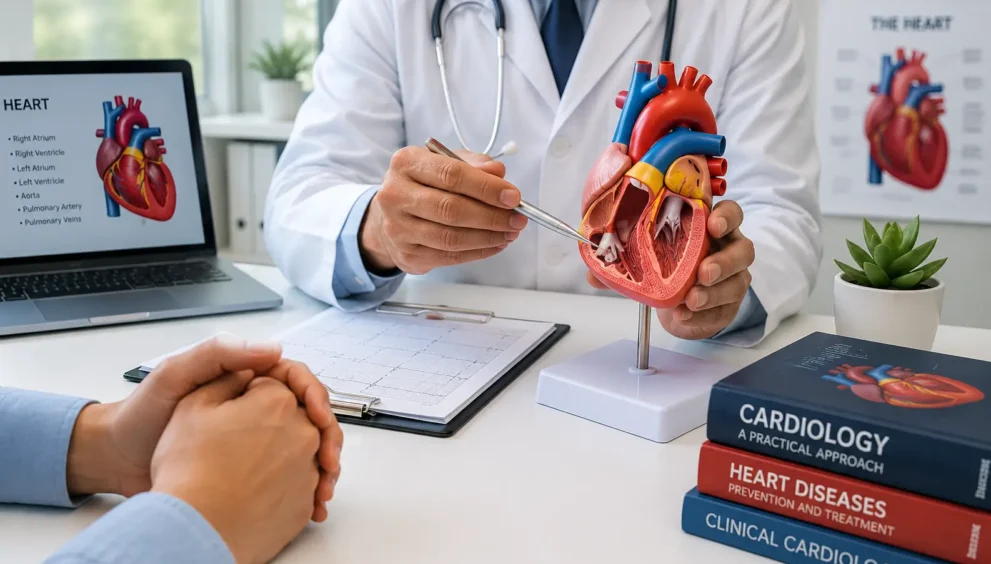
Every moment of our lives, the heart quietly works in the background. The heart beats faster during exercise and slower while we sleep. It adjusts itself constantly to the needs of our bodies. It is not something that most people think about until they feel different. Heart health is often brought into focus by a fluttering in the chest or breathlessness after climbing stairs. The cardiovascular system could have already been changing for many years by then.
Cardiology can make a real difference in this area. The focus is not just on treating the disease, but on identifying risk as early as possible to avoid lasting damage.
More than a Specialty in Heart Attacks
Many people still think of cardiology as emergency treatment for a heart attack. Reality is very different. Cardiologists treat patients with high blood-pressure, coronary heart disease, heart failure and valve disorders. They also care for those who have inherited heart conditions or rhythm disturbances.
Some patients present with severe symptoms which require immediate treatment. Some patients feel fine and only discover the problem when they undergo a routine examination. Both scenarios require the same level of clinical judgment because cardiovascular disease can develop silently, long before symptoms are apparent.
The importance of preventive cardiology is therefore equal to that of emergency care. Early detection of diabetes, hypertension, obesity, smoking and elevated cholesterol can prevent serious complications in later life.
Each Investigation Answers Different Questions
A single test cannot tell the entire story. Patients who complain of chest pain can have coronary disease. However, similar symptoms may also be caused by lung disease, stomach disorders, or musculoskeletal issues. A careful investigation can help clinicians distinguish between conditions.
Electrocardiograms remain one of the fastest and most useful diagnostic tools. It provides vital information within minutes about the cardiac rhythm, including possible myocardial damage. The heart is shown in motion by echocardiography, which allows clinicians to see the chamber size, ventricular contractility, and valve function.
Cardiac CT is becoming more and more useful for evaluating coronary arteries, without invasive procedures. While cardiac MRI provides exceptional detail to doctors when they need to evaluate heart muscle diseases, inflammation, or congenital anomalies. When significant coronary narrowing is suspected, coronary angiograms continue to be the best way to see the situation and can often allow treatment at the same time.
These investigations are not in competition with each other but rather complement one another. They help specialists make accurate and confident decisions.
Treatment has entered a new era
Over the last twenty years, cardiovascular medicine has undergone a dramatic change. Patients who used to have a long recovery period after major surgery can now return home in a matter of days with minimally invasive procedures.
Coronary angioplasty is a procedure that restores blood flow by using drug-eluting balloons. Catheter ablation provides lasting relief from many rhythm disorders. It targets abnormal electrical pathways within the heart. Structural interventions such as transcatheter valve implantation have opened up new treatment options to patients with higher surgical risks.
Medication is still important. Statins lower cholesterol and antiplatelet therapy reduces the risk for clots. Beta-blockers, ACE inhibitors, Angiotensin Receptor Blockers, Mineralocorticoid Receptor Antagonists, SGLT2 Inhibitors, continue to improve overall survival in several cardiovascular diseases. Even so, no medicine replaces healthy habits. Long-term heart care includes regular physical activity, healthy nutrition, weight control, and quitting smoking.
Cardiology in Dubai continues to evolve
Dubai’s healthcare has grown rapidly and so have cardiovascular services. Modern cardiac centres combine advanced imaging technology, dedicated catherisation laboratories, electrophysiology rooms, hybrid operating theaters, and specialised intensive care units into a single service.
The unique population of the city also poses a number of clinical challenges. Specialists manage diabetes-related cardiovascular disease, congenital defects, metabolic syndrome, and premature cardiovascular diseases among people of many different ethnicities. This diversity has strengthened multidisciplinary practices and encouraged closer cooperation between cardiologists (including cardiac surgeons), endocrinologists (including nephrologists), radiologists, and rehabilitation specialists.
This coordinated approach is often beneficial to patients seeking the advice of the best cardiologist in Dubai, as it ensures that every step from prevention and diagnosis through to intervention and rehab follows international clinical standards and remains tailored to each individual.
Families with children who require specialist care in the heart often turn to a paediatric cardiology hospital Dubai for an expert assessment. Congenital heart diseases require a different treatment than adult cardiovascular medicine. The hearts of children continue to develop, so treatment plans need to evolve along with their physical growth. The long-term monitoring, the careful imaging, and the timely intervention are all factors that contribute to a healthier outcome well into adulthood.
Care that goes beyond treatment
Advanced equipment is not enough to ensure a successful cardiology practice. Experience is important. So does teamwork. Each of these professionals contributes to the recovery of patients: emergency physicians, imaging specialists and cardiac surgeons. These services are able to provide consistent care for patients from diagnosis to long-term monitoring.
Conclusion
Cardiology is advancing at an incredible pace. Yet, its goal remains simple. When possible, protect the heart. Restabilize the heart when a disease occurs. Support the patient throughout their recovery by providing evidence-based care with sound clinical judgment. Although technology will continue to advance, thoughtful medicine, early interventions and experienced specialists remain the cornerstones of successful cardiovascular treatment.
Read Also: Knowledge Village Medical Fitness Centre