




National Food of UAE: Traditional Emirati Cuisine, Culture, and Identity
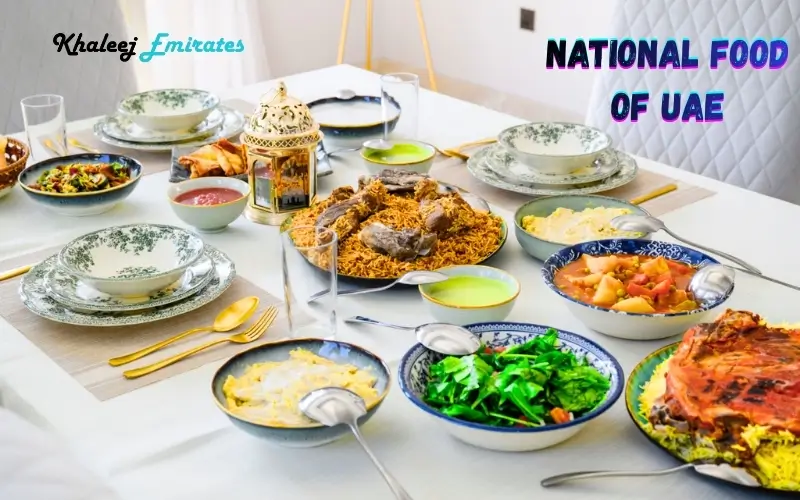
Food is among the most powerful expressions of national identity. It is a reflection of history, geography and climate, values and how communities interact. In the United Arab Emirates, traditional cuisine is a tale of survival in the desert as well as hospitality, trade on the coast, and continuity in culture.
Despite the rapid advancement of technology and the emergence of a global food market, Emirati cuisine has retained its authenticity. Traditional cuisines are still revered and are especially associated with celebrations of the family, religious events and celebrations of culture. In all Emirati food items, one particular dish is the most evocative of the nation’s culinary culture: Machboos, also known as Majboos.
What Is the National Food of the UAE?
National Food of UAE is known as Machboos (Majboos). It is a classic rice dish made with fish or meat, aromatic spices as well as dried lime. Machboos isn’t just a popular dish but also symbolic in its cultural significance which makes it a mainstay of Emirati families.
It is usually served at:
- Family gatherings
- Celebrations and weddings
- Festivals of religion, such as Eid
- Formal guest occasions
Machboos are a symbol of generosity, community and a respect for the past. The food is typically prepared in large quantities, and served in a communal setting, strengthening social bonds.
Origins of Emirati Cuisine
In order to understand Machboos, it is essential to know Emirati cuisine in general. The UAE’s distinctive culinary style was formed by three main influences:
Desert Life
In the communities of the interior, they relied on foods that were easily stored like dates, grains as well as dried and cured meat. Slow cooking techniques helped preserve nutrition and taste.
Coastal Influence
The fishing communities shared seafood-based meals. Fish Machboos remain popular in coastal regions like Abu Dhabi and Dubai.
Read Also: Ajman Fish Market
Trade Routes
Trade in the past that took place between India, East Africa, and Persia introduced spices like cardamom, saffron and cinnamon, and turmeric. These spices add flavor but without mucking up natural ingredients.
Key Ingredients in Machboos
Machboos is renowned for its flavor depth it is made by simple, but well-chosen ingredients:
- Basmati rice is a long-grain rice that takes in flavor very well
- The meat or the fish is chicken goat, lamb or local fish
- Dried lime (loomi) – Provides signature tangy aroma
- Onions and tomatoes make up the basis of the sauce
- Spices such as cloves, cardamom, cinnamon, cumin leaves
The addition of dried lime is the main thing that differentiates Machboos from other rice regional dishes.
How Machboos Is Traditionally Prepared
Machboos preparation is a deliberate and slow procedure:
- Meat or fish are cooked using tomatoes, onions and other spices
- Lime dried is added to add scent
- The rice is then cooked with the broth, allowing it to soak up the flavor
- The dish is cooked until it’s fully blended
The focus is on patience and not speed. This slow-cooking method is a reflection of Emirati values of precision, care, in addition to respecting food.
Cultural Importance of Machboos
In Emirati the culture of Emiratis cooking is considered to be a way of expression. Making Machboos for guests is considered to be a gesture of respect. National Food of UAE is typically served in the middle of the table, where families eat together.
The shared meal experience helps to reinforce:
- Family uniting
- Social equality
- Traditions of hospitality
The serving of Machboos to guests is a sign of kindness and generosity and is a symbol of values that are deeply embedded within Emirati society.
Other Traditional Emirati Dishes
Machboos is a popular national dish, other dishes have a strong cultural significance.
Al Harees
A dish that is made of rice and slow-cooked meat until it is smooth. Usually, it is consumed on Ramadan and Eid. It is a symbol of perseverance and simplicity.
Thareed
Bread soaked in meat or vegetable stew. Very nutritious and historically significant, the bread was a favourite in the days of Prophet Muhammad.
Balaleet
Breakfast dishes that combine sweet vermicelli with eggs, flavoured with sugar and saffron.
Luqaimat
Deep-fried doughballs drizzled with dates syrup. They are popular during family and festival gatherings.
Emirati Food and Hospitality
Hospitality is an integral part in Emirati culture. Food is a key element in the way guests are welcomed. Traditional meals are typically served with Arabic cafes (Gahwa) along with dates.
The principles of hospitality include:
- Generous portions
- Sharing meals
- Respectful appearance
Food refusal is usually viewed as rude, since sharing meals signifies friendship and trust.
Traditional Emirati Food vs Modern Cuisine
| Aspect | Traditional Emirati Food | Modern Fast Cuisine |
| Cooking Style | Slow-cooked | Processing is quick and efficient. |
| Ingredients | Natural and local | Artificial & imported |
| Cultural Value | Very high | Minimal |
| Social Role | Communal dining | Individuals eating |
| Health Impact | Healthy and balanced | Often unhealthy |
This study demonstrates how traditional cuisine is still revered even in the face of newer alternatives.
Health Benefits of Traditional Emirati Food
Contrary to popular belief, conventional Emirati food is usually healthy when eaten in moderate amounts.
Benefits include:
- High protein content
- Natural spices that possess anti-inflammatory properties.
- Slow digestion, promoting the feeling of fullness
- The use of processed ingredients is minimal.
Machboos, when paired with vegetables, make an energizing and satisfying meal.
Role of Food in Emirati Identity
Food can be a symbol of its identity in a constantly changing world. As the UAE transformed into an international center and a food hub, the traditional cuisine was an expression of pride and culture.
Government initiatives, heritage celebrations and cultural villages encourage Emirati traditional cuisine to the younger generations and guests.
Machboos in Modern UAE
Machboos are now served at home as well as in restaurants. While some chefs have added contemporary twists to the recipe, the original recipe remains the standard.
The dish is still visible at:
- National celebrations
- Cultural exhibits
- Emirati weddings
This consistency demonstrates its eternal significance.
Why Machboos Is the National Food
Machboos is recognized as the meal of UAE since it:
- The vast majority of emirates consume it.
- Culturally symbolic
- Flexible to regional preferences
- Rooted in tradition
The only dish that can combine accessibility as well as heritage and representation in this way.
Preserving Emirati Culinary Heritage
Preservation of traditional recipes guarantees continuity in the culture. Families share recipes verbally to ensure authenticity.
Cooking Machboos is typically a family event, which strengthens generational bonds.
Conclusion
Machboos, the food of the UAE Machboos, the national food of the UAE, is more than just simply a rice-based dish. Machboos is an expression of the past and geography, hospitality and values that are shared. By utilizing its components and the way it is prepared it tells the story of Emirati the resilience and generosity of the Emirati people.
In the midst of how the UAE continues to accept influences from around the world, traditional foods such as Machboos are still a part of the identity. It is a reminder to people that advancement does not mean renunciation of tradition.
In a world dominated through speed Emirati food is an example of how the importance of simplicity, patience and sharing are still important.
FAQs
What is the food of the nation that is served in the UAE?
Machboos (Majboos) is considered to be the national dish for the UAE.
Is Emirati food spicy?
It’s more aromatic than spicy, with a focus on well-balanced flavors.
Are Machboos eaten daily?
However, it is typically made for parties.
Are Emirati dishes healthy?
Traditional dishes are made with organic components and slow-cooked.
Are visitors able to sample traditional Emirati cuisine within the UAE?
Yes, restaurants that are cultural and heritage centres serve authentic Emirati cuisines.