





How AI Is Making Aquaculture More Sustainable in the Gulf
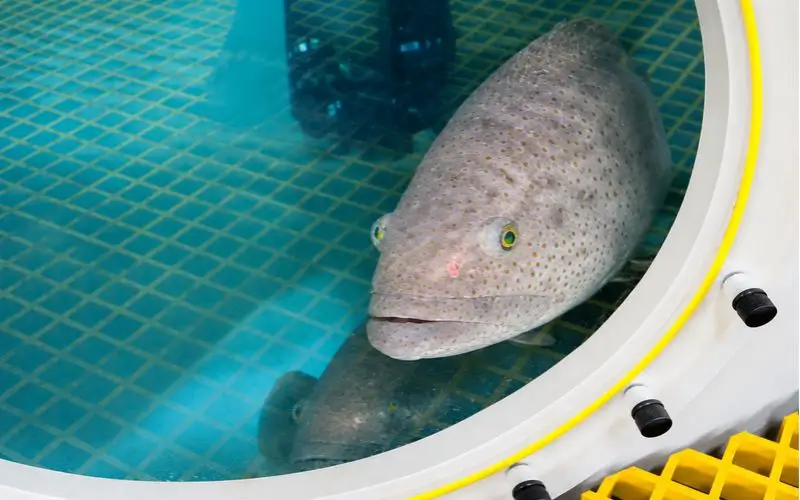
The Arabian Gulf hosts a variety of marine systems which are vital for wildlife, fisheries and coastal life. But the marine resources in the region are under stress due to the increasing sea temperature, salinity and demand for seafood.
Artificial intelligence (AI) is also providing opportunities for sustainable seafood production in the UAE, as the country aims to enhance its food security efforts while also preserving its natural environment.
From monitoring fish health to reducing feed waste, AI-driven sustainable aquaculture programmes can help fish farms operate more efficiently while limiting their environmental impact. In Abu Dhabi, research-based programs are underway that are investigating the potential of these technologies to help to safeguard marine life in addition to the UAE’s long-term sustainability objectives.
Why Sustainable Aquaculture Matters in the Gulf
Aquaculture is a controlled cultivation of fish, shellfish and other aquatic organisms. It has been a source of seafood other than conventional fishing.
There are key challenges in developing responsible aquaculture practices for the Gulf countries. There may be concerns about fish health resulting from high water temperature and salinity, and poor farm management practices may lead to water pollution caused by over feeding the fish and waste products.
The key to solving these problems is sustainable aquaculture, which emphasizes better management of water, responsible feeding practices and more thorough environmental monitoring.
It can also provide a source for seafood when the management is right, and if the pressure on wild fish populations does not increase.
How AI Is Improving Fish Farming
AI enables aquaculture farmers to gather and process data from sensors, underwater cameras and monitoring systems.
This can enable farmers to detect potential issues earlier, and make better feeding and water quality and fish health decisions.
Monitoring Water Quality
Fish are sensitive to water quality and need the right water conditions to be healthy.
Smart sensors can take continuous measurements of temperature, dissolved oxygen, pH and salinity. AI systems can analyze this information and detect changes that might need attention.
Continuous monitoring can aid the operator to detect environmental changes and respond more promptly to them, especially in the Gulf where water temperature may get very high.
Reducing Feed Waste
One of the most intensive processes in the production of fish is feeding. If the feed is not consumed then it can lead to water pollution and to high costs.
AI-based feeding systems can be used to examine fish behavior and feeding activity to identify feeding times and amounts.
These technologies can help to minimize waste and promote resource efficiency by increasing the accuracy of feeding.
Detecting Fish Health Problems Earlier
Another space that technology can reach out is fish health.
Abnormal swimming, feeding habits, and other signs of stress can be detected with underwater cameras and AI-based monitoring systems.
Farm operators can investigate concerns before they get worse with early alerts! This can help to promote fish welfare and minimize unnecessary losses.
Abu Dhabi’s Approach to AI-Enabled Aquaculture
Abu Dhabi is looking to scientific research and technology as a means to help facilitate responsible management of marine resources.
In May 2026, IMPACT by Miral released a list of 4 conservation priorities for the year, such as the development of sustainable aquaculture with the help of AI. Eventually, two more programmes were added – Seagrass Research and Raptor Conservation, for a total of six conservation programmes.
The Innovations for Sustainable Aquaculture Programme aims to monitor fish behaviour, health and productivity through automated underwater monitoring systems.
It also examines the concepts of circular economy, such as the possibility of utilizing agricultural waste for enhancing fish feed and minimizing environmental footprint.
The programme is run by the Yas SeaWorld Research & Rescue Center on Yas Island, Abu Dhabi, and is an alliance of research, technology and conservation.
The initiative not only aims to increase seafood production, but it also strives to make seafood more efficient, more good for fish and the environment.
This method emphasizes that conservation can go beyond a single species to ensuring the health of a system that relies on natural resources.
How Aquaculture Supports the UAE’s Food Security Goals
Food security has been recognized as one of the priorities of the UAE and is an important topic for discussion as the UAE strives to increase the production of food locally as well as diversifying its food supplies.
Modern technology and sustainable production and improved local food availability are key areas identified for focus in the National Food Security Strategy 2051.
The goals can be achieved through aquaculture by offering a chance to produce local seafood in controlled environments.
By leveraging data and trends, AI and automation can aid operators in developing this:
- Continuously track fish condition and environment.
- Minimize the loss of feed and increase efficiency of feed use.
- An ability to recognize operational issues prior to having major losses.
- Improve better informed production and farm management decisions.
The UAE Ministry of Climate Change and Environment (MOCCAE) has announced a National Plan for Stimulating and Developing the Aquaculture Sector for the year 2024 to support the industry in becoming environmentally sustainable and to reinforce food security and protect marine resources.
These initiatives demonstrate the potential of technology and good production practices in achieving the country’s broader food security goals.
Can AI Help Protect Marine Ecosystems?
AI can provide valuable tools to enhance aquaculture, but technology is not a solution that will ensure environmental sustainability.
Other aspects of fish farming also affect the impact, such as the location of the farm, species selection, ingredients in fish feed, energy use and waste disposal.
For instance, effective systems for feeding could limit excess nutrients entering the water and effective monitoring could help detect conditions that may impact surrounding ecosystems.
These benefits are dependent on the implementation of the technologies and the adherence to environmental standards by the farms.
Research, proper control and periodic checks are still crucial to the development of aquaculture without compromising diversity in the marine environment.
Building a More Sustainable Future for Seafood Production
Efforts to reconcile the production of aquaculture seafood with protecting the environment will be crucial for the future of aquaculture in the Gulf.
AI can aid in this balance by providing an understanding of fish behaviour, resource management, and responding to changing conditions.
To make these technologies a practical solution to the region’s marine environment, continued collaboration between researchers, conservation organisations and aquaculture operators is required for Abu Dhabi.
With the UAE’s long-term commitment to safeguarding the Arabian Gulf, responsible aquaculture could play a role in fostering a more resilient food system and ensuring the long-term sustainability of the Gulf.
Read Also: Mangrove Beach Umm Al Quwain