



Preventing Falls at Home: A Safety Guide for Seniors
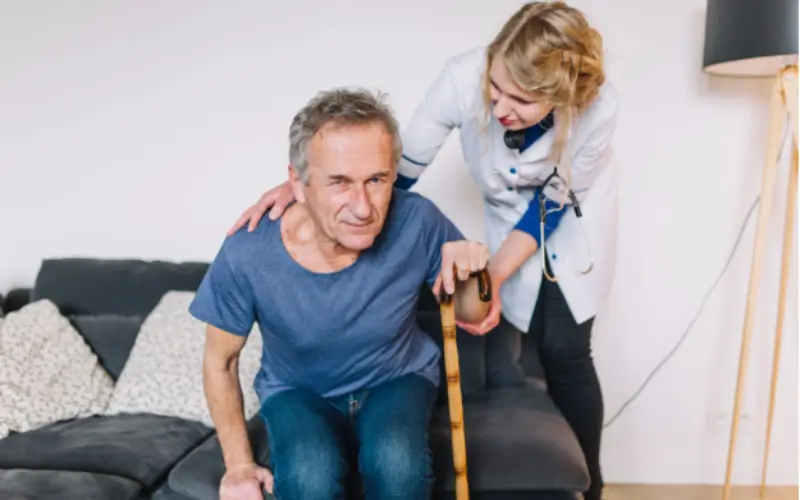
Fall injuries are among the most frequent injuries occurring in older adults, and typically occur in the home. Keep in mind, a fall can cause a broken hip, hospitalization, a long recovery period, and can make people afraid to move about freely. Fortunately, many falls can be prevented with a few simple modifications to the home, periodic medical evaluations and, as necessary, assistance from a trained The Nurse Company.
This guide will detail why older adults are at higher risk for falling, offer a room-by-room inspection checklist and explain what families should do if an older adult falls.
Why Older Adults Fall: The Main Risk Factors
Falls usually result from several factors acting together. The most common include:
- Weak muscles and poor balance: strength and balance naturally decline with age, especially with limited activity.
- Medicines: sedatives, sleeping tablets, blood pressure medicines and some painkillers can cause dizziness or drowsiness.
- Low blood pressure on standing: a sudden drop when getting up from a bed or chair can cause light-headedness.
- Poor eyesight: cataracts, outdated glasses or poor lighting make hazards harder to see.
- Health conditions: arthritis, diabetes, Parkinson’s disease, stroke and dementia all increase fall risk.
- Foot problems and footwear: painful feet, loose slippers or socks on smooth floors reduce grip.
- Dehydration: not drinking enough, especially in a warm climate, can cause weakness and dizziness.
- Home hazards: loose rugs, clutter, cables, wet floors and poorly lit stairs.
A person who has already fallen once is at higher risk of falling again, so the first fall should always prompt a review.
A Room-by-Room Home Safety Checklist
Walk through the home with this checklist and fix what you can.
| Area | What to check |
| Entrance and hallways | Clear walkways, no loose rugs or cables, good lighting, a light switch near each door |
| Living room | Furniture arranged with wide paths, a firm chair with armrests, no trailing wires |
| Bedroom | Bed at a height where feet rest flat on the floor, a lamp within reach, a night light on the way to the bathroom |
| Bathroom | Non-slip mats, grab rails beside the toilet and in the shower, a shower chair, a raised toilet seat if needed |
| Kitchen | Everyday items stored between waist and shoulder height, spills wiped up immediately, no step stools |
| Stairs | Handrails on both sides, good lighting at the top and bottom, edges of steps clearly visible |
| Outdoor areas | Even paths, no wet or slippery surfaces, lighting at entrances |
Also check footwear. Well-fitting shoes with non-slip soles are safer than slippers, socks or bare feet on tiled floors, which are common in UAE homes.
How a Nurse at Home Reduces Fall Risk
Home changes help, but many fall risks come from health issues that need a trained eye. A nurse can address these during regular visits:
- Fall risk assessment: reviewing balance, walking, muscle strength and previous falls.
- Medication review: identifying medicines that may cause dizziness and raising them with the doctor.
- Blood pressure checks: measuring lying and standing blood pressure to detect drops on standing.
- Hydration and nutrition: encouraging regular fluids and a balanced diet to maintain strength.
- Safe mobility support: helping with walking, transfers and the correct use of walking frames or sticks.
- Home safety advice: pointing out hazards and recommending equipment such as grab rails or bed rails.
- Continence care: reducing urgent night-time trips to the bathroom, a common cause of falls.
A nurse at home can also refer the person to a physiotherapist for strength and balance exercises, which are among the most effective ways to prevent falls.
What to Do If a Fall Happens
Even with good precautions, falls can still happen. Knowing how to respond helps prevent further injury.
- Stay calm and do not rush to lift the person. Check whether they are conscious and breathing normally.
- Look for injuries. Severe pain, an inability to move a limb, a head injury, bleeding or confusion all need urgent medical attention. In these cases, call 998 for an ambulance.
- If there is no serious injury, help the person roll onto their side, then onto their hands and knees, and rise slowly using a sturdy chair for support.
- Keep them warm and comfortable while they rest, and watch for delayed symptoms such as headache, drowsiness or new pain.
- Tell their doctor. Every fall, even a minor one, should be reported so the cause can be investigated.
After a fall, many older adults lose confidence and move less, which weakens muscles further and increases the risk of another fall. Gentle encouragement and professional support can help break this cycle.
Conclusion
Falls do not have to occur as a result of ageing. Many of them can be prevented with a safer home, the proper footwear and regular activity and careful medication use. A nurse at home offers another level of security to older adults at high-risk by noticing any warning signs early and communicating with doctors.
Families in Dubai who want professional support with fall prevention and elderly care can arrange home visits through The Nurse Company.
Read Also: Life Care Hospital Musaffah
Frequently Asked Questions
Who is most at risk of falling at home?
Older people, especially those who are unsteady on their feet, have trouble with memory, low blood pressure or taking multiple medications, and people who have fallen before are most at risk.
Can falls really be prevented?
Many can. Making home safety modifications, using strength and balance exercises, and continually, reviewing medications and health, significantly lowers the risk.
When should a family consider a nurse at home?
Think about nursing assistance following a fall, after hospitalisation, if the person has developed a new condition that impacts on their mobility, or if an older relative lives alone or with little or no supervision.
Are bed rails and grab rails safe?
Bathroom grabrails are extremely useful. Bed rails may provide assistance for some people; for some people with confusion, they may be unsafe, so consult with a nurse or doctor before using.
Disclaimer: This article is for informational purposes only and should not be considered medical advice. Always consult a qualified healthcare professional for personalized guidance on fall prevention and elderly care.